

People often arrive at this question after being told they need work on a badly damaged tooth. Someone mentions a crown, someone else mentions an implant, and the internet turns it into a contest. Which one is safer?
The framing is a little off, and that’s worth explaining rather than just picking a winner. Crowns and implants aren’t competing versions of the same treatment. They solve different problems, and which one applies to you usually comes down to how much of your natural tooth is still there. Here’s how Oxnard Dentistry would break it down.
Quick Summary
- A crown covers and protects a damaged natural tooth that still has a healthy root. An implant replaces a tooth that’s gone, root included.
- Because they address different situations, one isn’t broadly safer than the other. They’re often not interchangeable options.
- Crowns involve less surgery. Implants involve a surgical step and a healing period, with the risks that come with any oral surgery.
- Both have good track records in the right circumstances, and both can have complications. Individual results vary.
- An exam and images are what settle it. The state of your tooth root and jawbone decides most of this for you.
What each one actually is
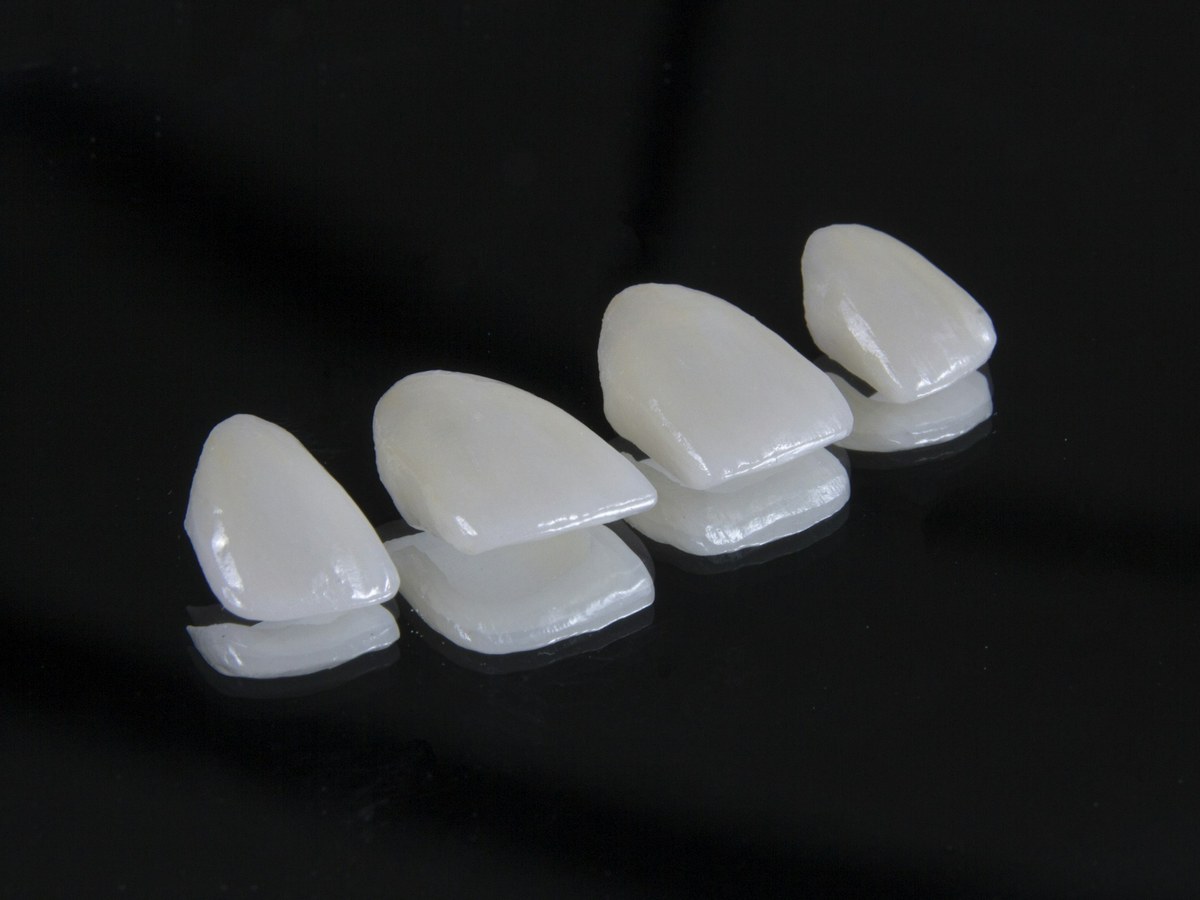
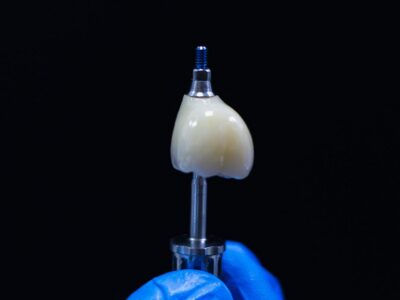
A crown is a cap that fits over an existing tooth. The dentist shapes the natural tooth down, then bonds the crown on top. The root stays where it is and keeps doing its job. Crowns come up after a large filling fails, after a root canal, or when a tooth cracks.
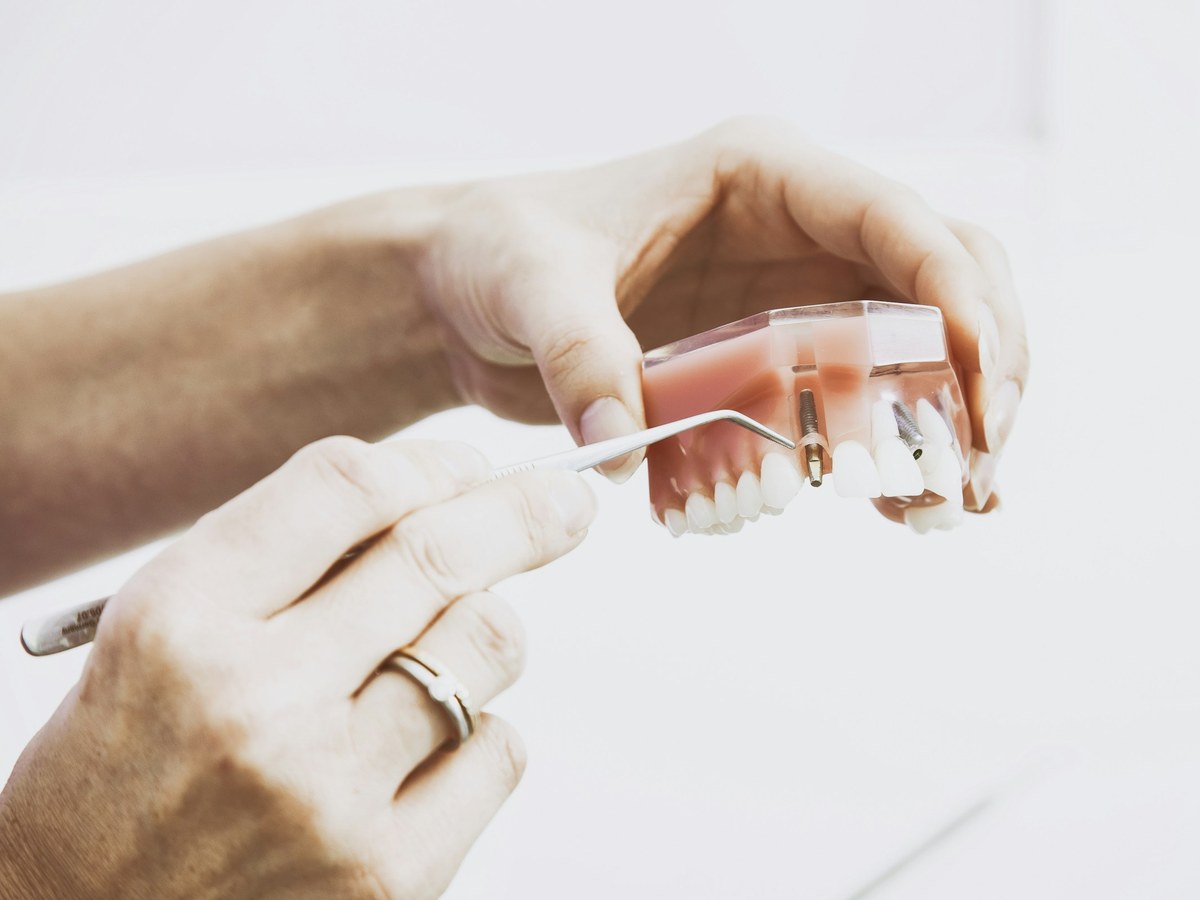
An implant is a different proposition. A post is placed into the jawbone to stand in for the missing root, the bone heals around it over a period of months, and a crown goes on top at the end. The crown is the visible part, which is one reason people mix the two up.
So the deciding factor is usually simple: is there a salvageable tooth root? If yes, a crown is often on the table. If the tooth is gone or beyond saving, an implant becomes the conversation. Our post on whether implants are the right choice goes deeper on the implant side specifically.
Where the safety question comes from
When people ask which is safer, they’re usually asking about the surgery. That instinct isn’t wrong.
Placing a crown is a restorative procedure done under local anesthetic. It doesn’t involve opening the gum or working in bone. The main trade-off is that healthy tooth structure gets reshaped permanently to make room for the crown.
An implant does involve minor oral surgery. That brings the general risks any surgical procedure carries, including infection, and a healing period where things can go differently than planned. Implants can also fail to integrate with the bone in some cases, which is something your dentist would discuss with you beforehand.
Neither is risk free. Crowns can come loose, the tooth underneath can develop decay at the margins, and the underlying tooth can still need a root canal later. The honest answer is that both carry risks, they’re different risks, and comparing them in the abstract doesn’t help much.
What actually decides it
This is the big one. A tooth with a solid root and enough structure above the gum line can usually take a crown. A tooth that’s fractured below the gum, or badly broken down, may not have enough left to hold one.
The condition of your jawbone
Implants need bone to anchor into. If bone has been lost, whether from gum disease or from a tooth being missing a long time, grafting may be needed first. That extends the timeline and is part of the discussion.
Your general health and habits
Healing matters for implants. Conditions that affect healing, and smoking in particular, are things your dentist will factor in. Candidacy is determined during an exam, not from a symptom list.
The neighboring teeth
Sometimes the surrounding teeth influence the plan. What’s happening either side of the gap changes what’s sensible.
What about how long each lasts?
Both can last a long time when they’re well maintained, and neither should be described as permanent. Longevity varies with your bite, your oral hygiene, whether you grind, and how the rest of your mouth is doing.
What’s fair to say is that both need looking after. A crown needs the tooth beneath it kept healthy. An implant needs the gum and bone around it kept healthy, and gum disease around an implant is a real thing that can threaten it. Regular checkups protect both.
You can read more about each on the dental crown page and the dental implants page.
Questions worth asking at your visit
Bring these along: Is my tooth restorable, or is it past saving? If I choose a crown, what’s the realistic outlook for this tooth? If I need an implant, is my bone ready or would grafting come first? What are the risks in my specific case? What happens if we wait a few months?
That last question is more useful than it sounds. Some situations can wait, and some get harder the longer they’re left. Knowing which one you’re in changes how you plan.
Frequently Asked Questions
Is a crown safer than a dental implant?
They address different problems, so one isn’t broadly safer than the other. A crown avoids surgery, while an implant involves a surgical step, and the right choice usually depends on whether your natural tooth root can be saved.
Can I choose an implant even if a crown would work?
Removing a tooth that could be saved is generally not recommended, since keeping your natural root has real advantages. Your dentist can explain what applies to your specific tooth during an exam.
Which one takes longer to complete?
Crowns are usually finished in a small number of visits. Implants take longer because the bone needs months to heal around the post before the final crown is placed.
Do implants ever fail?
Implants can fail to integrate with the bone in some cases, and problems can develop later if gum health isn’t maintained. Your dentist can talk through the risk factors that apply to you.
Does one need more upkeep than the other?
Both need regular brushing, flossing, and dental checkups. Implants call for particular attention to the gum tissue around them, since gum disease can affect them just as it affects natural teeth.
Find out which one applies to you
This question tends to resolve quickly once someone looks at the tooth. In many cases there isn’t really a choice to agonize over, because the state of the tooth points clearly one way.
Call the office at (805) 307-8731 or use the contact page to arrange a visit. Dr. Keihani and the Oxnard Dentistry team can examine the tooth, take the images needed, and explain what your realistic options are.