

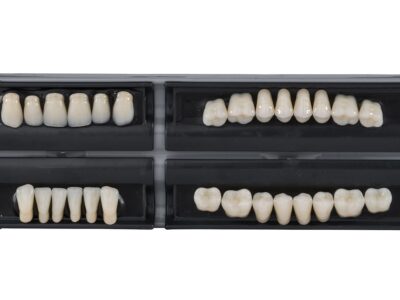
Veneers come up a lot in conversations about fixing chips, gaps, and teeth that have gone dull over the years. The follow-up question is almost always about money. People want to know if there’s a budget-friendly route that still looks good, or whether they should save up for something else entirely.
Here’s the honest answer: there isn’t one cheapest option that works for everybody. The lowest-cost path for your neighbor could be the wrong choice for your mouth. What you can do is understand what drives the number, so you’re asking better questions before you ever sit in a chair. That’s what this post walks through, using general information rather than a quote. For a quote you need an exam, and Oxnard Dentistry can talk through the options in person.
Quick Summary
- There’s no single price for veneers. The material, the number of teeth, and any repair work needed first all move the total.
- Composite veneers are typically less expensive up front than porcelain, though they often don’t last as long and may stain more over time.
- Treating fewer teeth usually costs less than a full smile makeover, and some people only need the teeth that actually show.
- Sometimes whitening, bonding, or orthodontics addresses the concern at a lower cost. An exam is the only way to know if that applies to you.
- Most dental plans treat veneers as cosmetic, so financing is worth asking about. Call the office at (805) 307-8731 to talk through it.
Why veneers don’t have one price
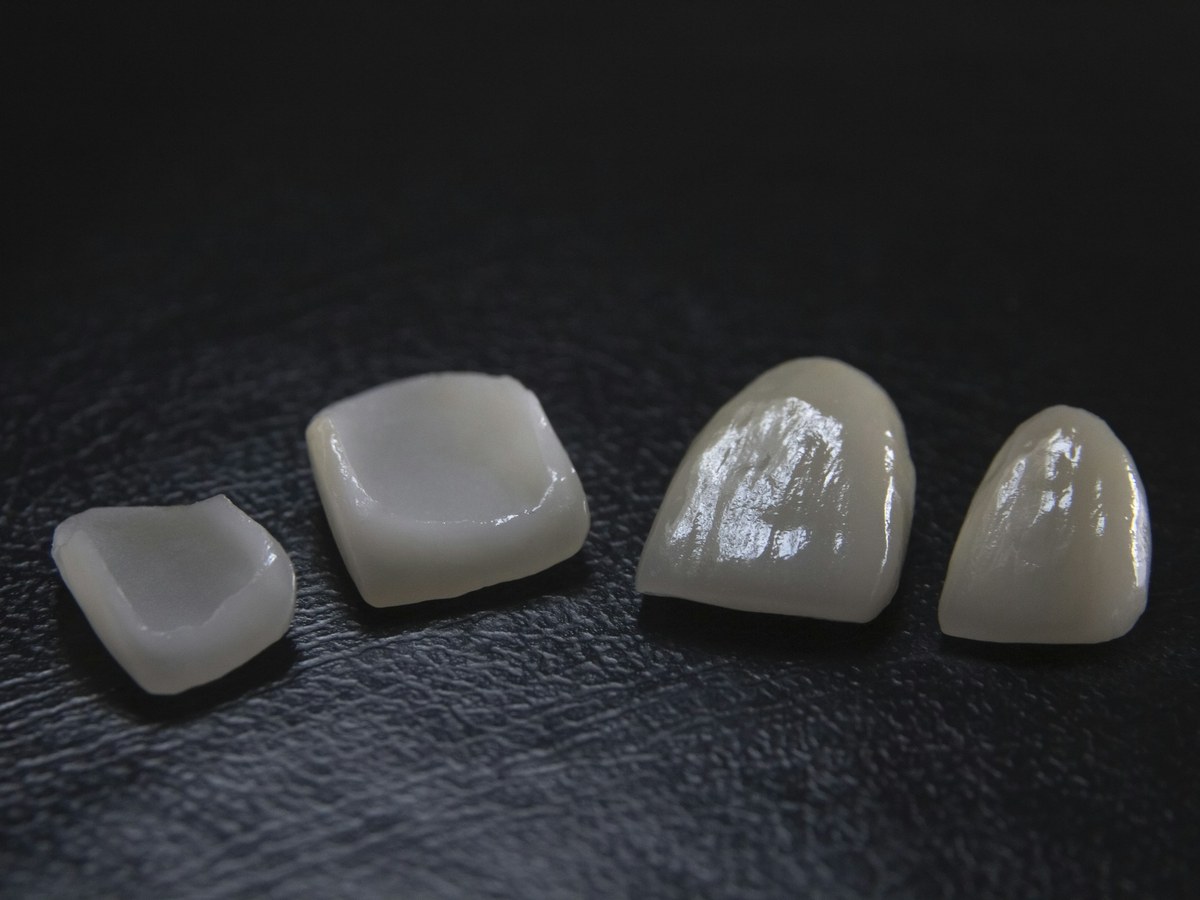
A veneer is a thin shell bonded to the front of a tooth. That sounds like one product, but the work behind it varies a lot from person to person. Two people can both ask for veneers and end up with very different treatment plans.
The tooth underneath matters. If it’s healthy and well positioned, the work is straightforward. If there’s decay, an old filling breaking down, or gum inflammation, that gets handled first, and those visits are their own line items. Someone with a mouth in good shape and someone who needs groundwork done are simply not buying the same thing.
This is also why online prices are so unreliable. They describe a simple case in a different market. Your situation gets priced after somebody looks at your teeth.
What actually moves the number
The material
Composite veneers are built up directly on the tooth using a tooth-colored resin. They’re usually the lower-cost choice and can often be done in fewer visits. The trade-off is longevity. Composite tends to pick up stain and wear faster than porcelain, so it may need repair or replacement sooner.
Porcelain veneers are made in a lab and bonded on afterward. They typically cost more and take more than one appointment. Many people find they hold their color better and last longer, though results vary with your bite, your habits, and how well they’re cared for.
Cheaper up front and cheaper over ten years aren’t always the same thing. That’s worth thinking about before you decide.
How many teeth you treat
Veneer pricing is generally per tooth. Someone fixing one chipped front tooth is in a very different range from someone redoing everything that shows when they smile.
A lot of people assume they need eight or ten. Plenty don’t. If only two teeth bother you, treating two may be a reasonable place to start. A dentist can tell you whether a smaller plan will still look natural next to your other teeth, which is the part most people can’t judge on their own.
Work that has to happen first
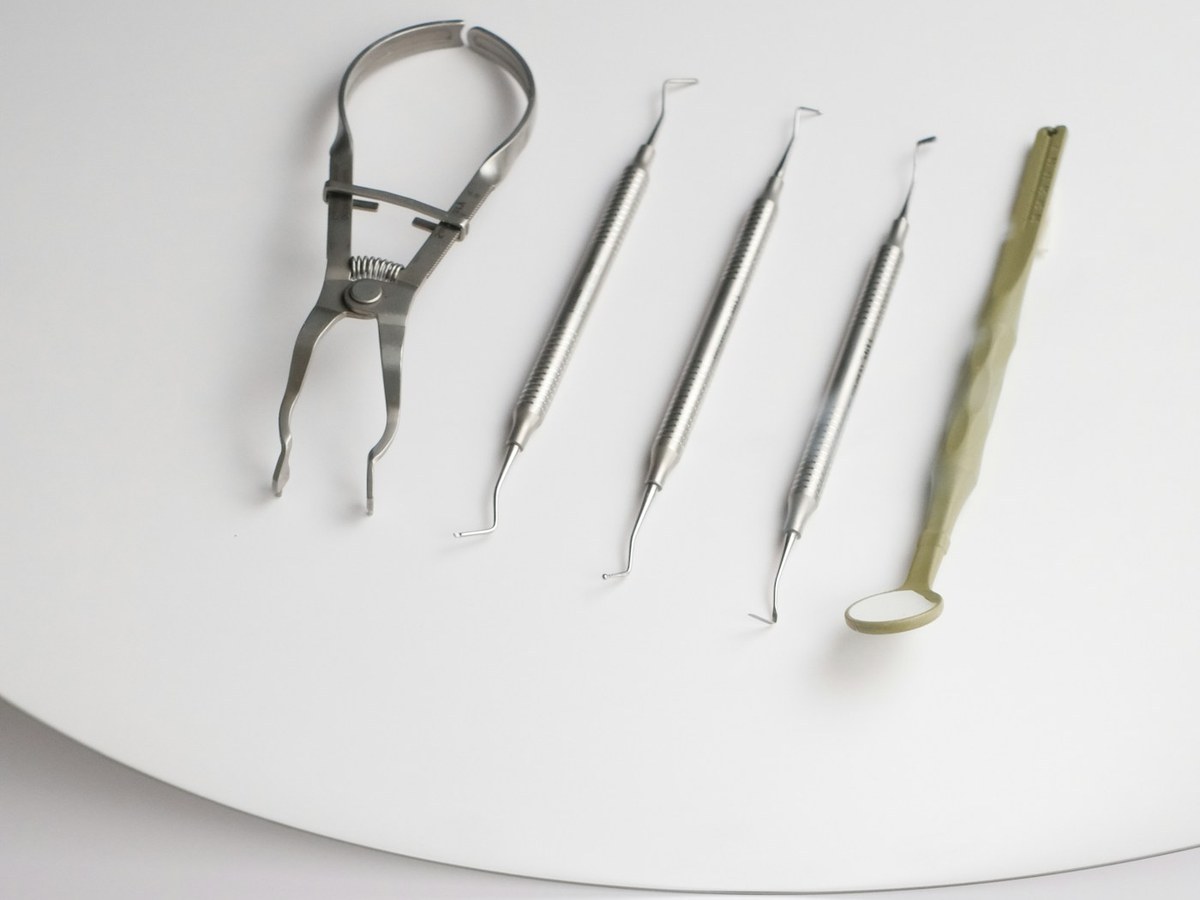
Veneers go on teeth that are stable. If an exam turns up decay, gum disease, or a cracked tooth, that gets addressed before any cosmetic work starts. Bonding a shell over an unhealthy tooth tends to create a bigger problem later.
People sometimes read this as an upsell. It usually isn’t. Preparation work protects the money you’re about to spend, because a veneer bonded to a failing tooth can come loose or need redoing. If you grind your teeth, a night guard may come into the conversation too, since grinding is hard on veneers.
You can see the full picture of what’s involved on the veneers page, and the wider cosmetic dentistry options are worth a look if you’re still deciding what you want.
Lower-cost routes people ask about
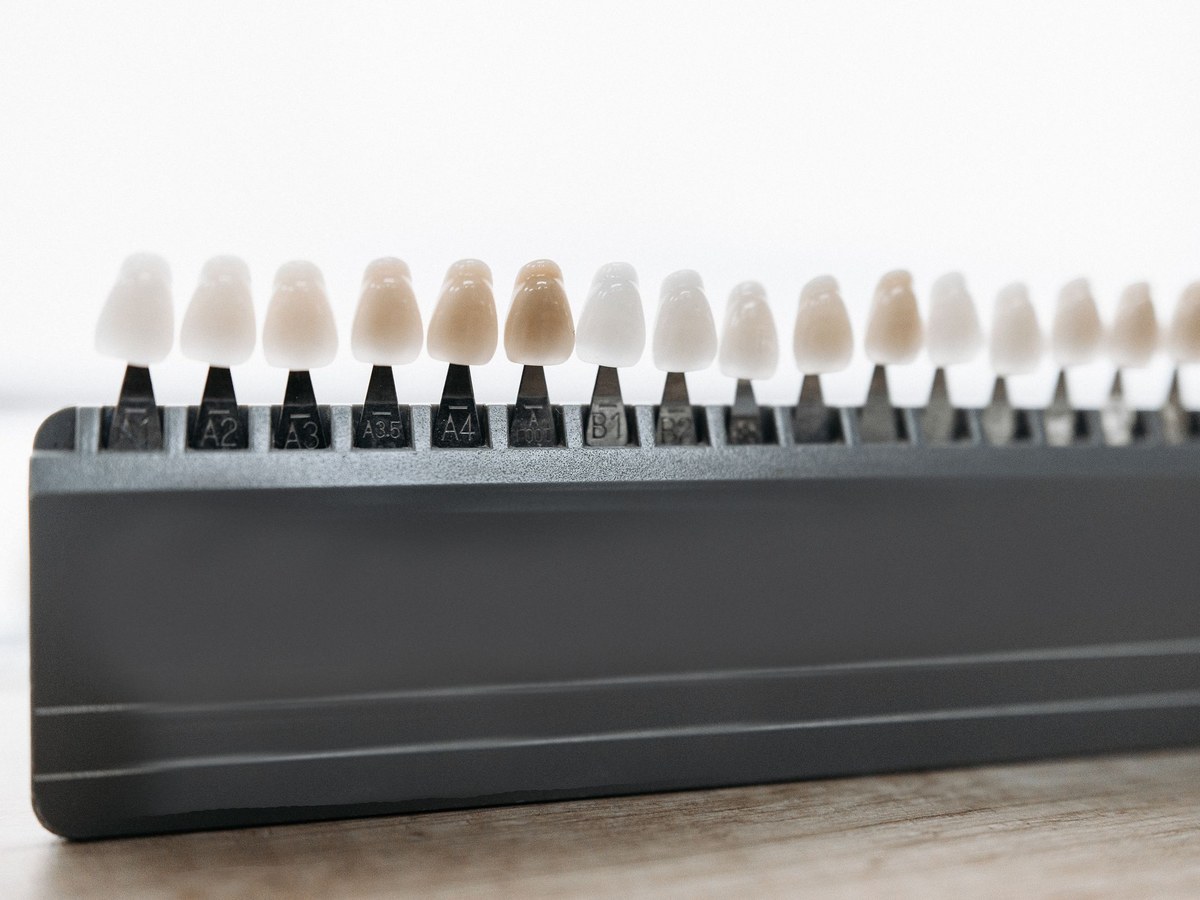
Composite instead of porcelain is the most common one. For the right case it can be a sensible way to get a noticeable change sooner, as long as you go in understanding the trade-off on lifespan.
Treating fewer teeth is the second. Focus on what shows and what actually bothers you.
The third one surprises people: you may not need veneers at all. If the main complaint is color, whitening may get you closer to what you want. A single chip can sometimes be handled with bonding. Crowding or spacing may be an orthodontic question. These paths aren’t automatically cheaper, and they don’t suit every case, though they’re worth raising at your visit before you commit to veneers.
Where insurance and financing fit
Dental plans generally treat purely cosmetic work differently from treatment that addresses function or health. What your specific plan does is between you and your plan, so call your insurer or ask the office to help you check. Our post on dental insurance and coverage options in Oxnard covers how coverage tends to work in general terms.
One thing worth knowing: if part of your treatment plan is repair work rather than appearance, that portion may be looked at differently from the veneers themselves. Ask the office to break the plan into parts so you can see what’s what.
The office works with financing options like CareCredit and Lending Club. The financing page has the details, and the team can walk you through what fits. Spreading payments doesn’t lower the total, though it does change whether the treatment is workable this year.
How to get a real number
Book an exam and say plainly what’s bothering you and roughly what you’re able to spend. A good treatment plan is built around both.
Useful questions to bring: What are my choices for these specific teeth? What does each material mean for how long this lasts? Does anything need fixing first? What happens if a veneer chips later? Can we phase this over time?
That last one matters more than people expect. Some plans can be staged across months, which changes the math without changing the outcome you’re working toward.
Frequently Asked Questions
Are composite veneers always cheaper than porcelain?
Composite is typically less expensive up front. Over a longer period the gap can narrow, because composite may need repair or replacement sooner than porcelain. Your dentist can explain which makes more sense for your teeth.
Can I get veneers on just one or two teeth?
Often yes, and many people do. The main consideration is how well the new teeth blend with the ones beside them, which is something a dentist assesses during an exam.
Does dental insurance pay for veneers?
Plans generally treat veneers as cosmetic, and coverage varies by plan. Call your insurance provider or ask the office to help you confirm what your specific plan says before treatment starts.
Do I need to fix other dental problems before getting veneers?
Usually the answer is yes if an exam finds decay, gum disease, or a damaged tooth. Veneers are placed on stable teeth, so any groundwork tends to come first.
Is there a way to get the look I want without veneers?
Sometimes. Depending on the concern, whitening, bonding, or orthodontic treatment may be options worth discussing. An exam is the only way to know what applies to your situation.
Talk it through with Oxnard Dentistry
If you’ve been putting off asking about veneers because you assume the answer is out of reach, a conversation costs you nothing but time. You’ll leave knowing what your actual choices are and what each one involves.
Call the office at (805) 307-8731, or reach the team through the contact page to set up a visit. Dr. Keihani and the Oxnard Dentistry team can look at your teeth and talk through what fits both your goals and your budget.