

Your jaw clicks when you chew. It aches by mid-afternoon. Some mornings you wake up with a headache that sits right at your temples. You’ve searched the symptoms, landed on TMJ, and now you’re stuck on a simpler question: who do you even call about this, your doctor or your dentist?
It’s a fair thing to be confused about, because the jaw joint sits in territory both professions touch. The short version is that a dentist is usually the more natural first stop for jaw joint and bite-related symptoms, though there are situations where your physician should be involved. Oxnard Dentistry sees this question often enough that it’s worth laying out properly.
Quick Summary
- For jaw clicking, jaw fatigue, tooth grinding, and bite-related pain, a dentist is generally the more natural starting point.
- See a physician first if there’s fever, facial swelling, an injury to the jaw, or symptoms that seem to involve your ears or sinuses.
- TMJ symptoms overlap with several other conditions, so an exam is the only reliable way to sort out what’s happening.
- Treatment often starts conservatively with things like a night guard, habit changes, and bite assessment.
- If you’re unsure who to call, call either one and describe your symptoms. Both can point you in the right direction.
Why the confusion exists
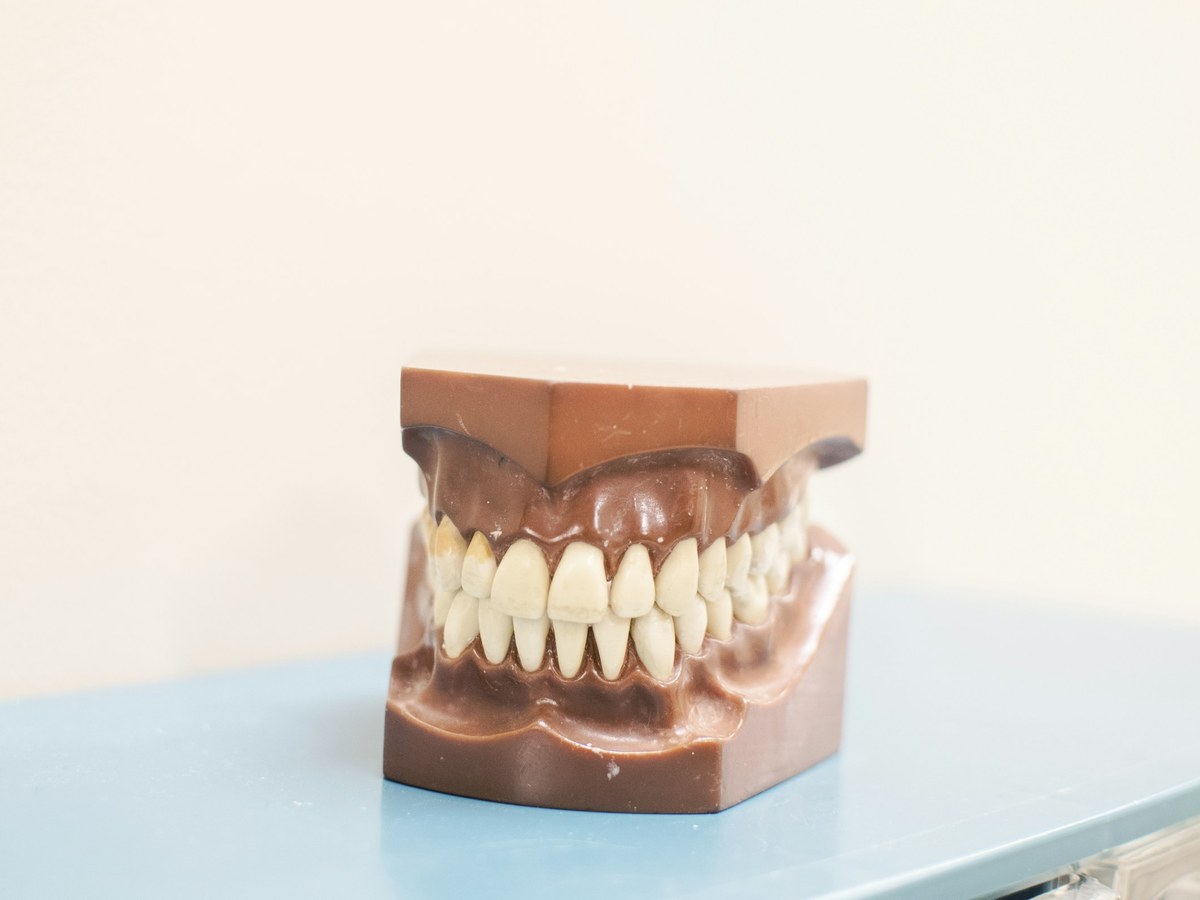
The temporomandibular joint connects your lower jaw to your skull, just in front of each ear. It’s involved every time you talk, chew, or yawn. Because it sits so close to the ear and the side of the head, trouble there can feel like an ear problem, a sinus problem, or a headache disorder.
That’s the crux of it. The symptoms don’t announce which specialty they belong to. People often see two or three providers before anyone looks at the jaw joint itself.
Dentists spend their training on the bite, the jaw, and the muscles that move it. That makes a dental exam a sensible early step when the complaint centers on the jaw.
When a dentist is the better first call
Start with a dentist if what you’re noticing looks like this:
- Clicking, popping, or grating when you open and close
- Jaw stiffness, or a jaw that feels tired after eating
- Waking with a sore jaw or a dull headache at the temples
- Teeth that look worn down or flattened
- Pain that shifts when you chew, yawn, or open wide
- A bite that suddenly feels different or uneven
These all point toward the joint, the muscles, or the way your teeth come together. A dentist can examine how your jaw moves, check for signs of grinding, look at your bite, and take images if needed. You can read what the office offers on the TMJ therapy page.
Grinding deserves a special mention because so much of it happens during sleep. Plenty of people have no idea they do it until someone points out the wear on their teeth. That’s one of the things a routine exam can catch, which is part of why keeping up with regular dental visits pays off in ways that aren’t obvious.
When to call a physician instead
Some situations belong with a medical doctor first:
- You’ve had a blow to the jaw or head, or the jaw locked after an injury
- There’s facial swelling, especially with a fever
- You have ear pain with drainage, hearing changes, or dizziness
- The pain came on suddenly and severely, or feels unlike anything you’ve had
- You have a diagnosed condition such as rheumatoid arthritis or fibromyalgia that may be involved
Severe facial swelling with fever warrants prompt medical attention rather than waiting for a routine appointment. When symptoms are dramatic or came on fast, being seen quickly matters more than being seen by exactly the right specialty.
What an exam actually looks at
A dental evaluation for jaw symptoms is generally straightforward. Expect questions about when the pain shows up, what makes it worse, whether you clench during the day, and how you’re sleeping. Stress and sleep patterns come up because both feed into clenching.
The physical part usually involves watching how your jaw opens and closes, feeling the joint and the surrounding muscles, checking how your teeth meet, and looking for wear patterns. Imaging may be part of it depending on what turns up.
What you won’t get from a blog post is a diagnosis. Jaw pain has several possible causes, some dental and some not, and telling them apart takes an examination.
What treatment often involves
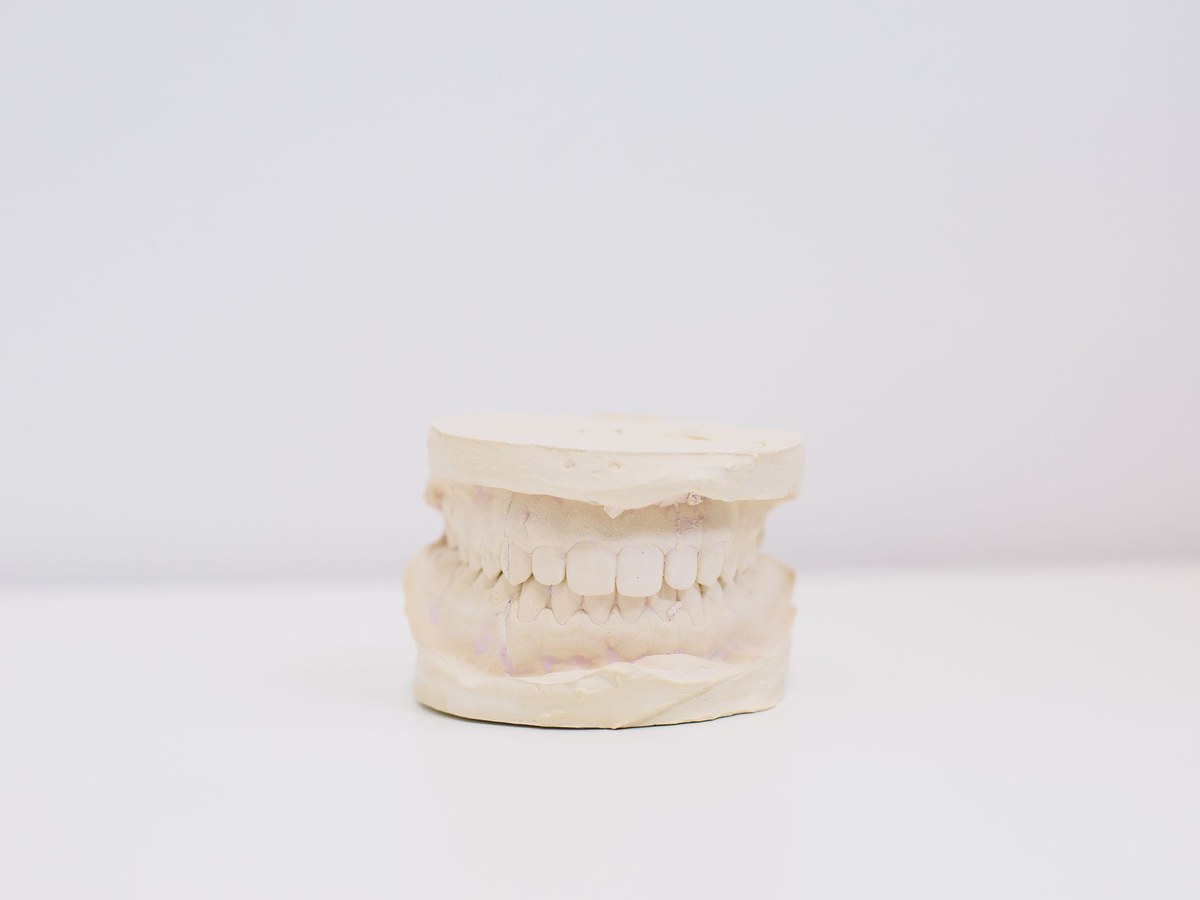
Care for jaw joint symptoms usually begins with the least invasive options. A custom night guard is common where grinding is part of the picture, since it takes some of the load off the joint and protects the teeth.
Beyond that, the recommendations tend to be practical. Softer foods for a while. Not chewing gum all day. Warm compresses. Being conscious of daytime clenching, which many people do at a desk without noticing. Some people are referred on for physical therapy or for help managing stress, because those genuinely affect the muscles involved.
Results vary from person to person, and some cases take time to settle. Anyone promising a quick fix for jaw pain is overselling it.
Frequently Asked Questions
Should I see a dentist or a doctor for jaw pain?
For clicking, grinding, bite changes, or jaw fatigue, a dentist is generally the more natural first stop. Choose a physician first if there’s injury, fever, swelling, or ear symptoms like drainage or hearing changes.
Can a regular dentist help with TMJ, or do I need a specialist?
Many general dentists evaluate jaw symptoms and manage conservative care such as night guards and bite assessment. If your situation calls for it, they can refer you on to someone who focuses on jaw disorders.
Is jaw clicking on its own something to worry about?
Clicking without pain or limited movement is fairly common and doesn’t always need treatment. It’s still worth mentioning at your next visit so it can be checked and tracked over time.
Can stress cause TMJ symptoms?
Stress can contribute by increasing clenching and grinding, which loads the joint and the surrounding muscles. It’s usually one factor among several rather than the whole explanation.
Will a night guard fix the problem?
A night guard may reduce symptoms and protect teeth from grinding damage, though it isn’t a cure and results vary. Your dentist can tell you whether one suits your situation after an exam.
Get your jaw looked at
If your jaw has been bothering you for weeks and you’ve been putting off dealing with it because you weren’t sure who to ask, a dental exam is a reasonable place to begin. If it turns out to be something outside dentistry, you’ll get pointed in the right direction.
Call the office at (805) 307-8731 or reach the team through the contact page. Dr. Keihani and the Oxnard Dentistry team can examine what’s going on and talk through what makes sense next.