

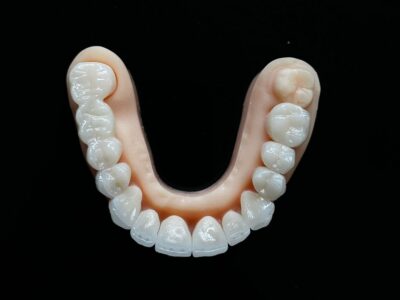
You’re about to spend real money on a crown, so wanting to know how long it’ll last before you need to do this again is completely reasonable.
The answer is a range rather than a number, and the range is wide for good reasons. Some crowns are still going strong after fifteen years. Others need replacing much sooner, and usually the difference comes down to factors nobody could have predicted at the time it was placed. Here’s what actually determines it, from Oxnard Dentistry.
Quick Summary
- Crowns commonly last somewhere in the range of five to fifteen years, and many go considerably longer with good care.
- No crown should be described as permanent. All dental work has a service life.
- The tooth underneath usually determines the outcome more than the crown itself does. Decay at the edge is a common reason for replacement.
- Grinding, chewing hard things, and inconsistent hygiene all shorten the timeline.
- Regular checkups catch problems while they’re still small, which is the cheapest point to deal with them.
Why the range is so wide
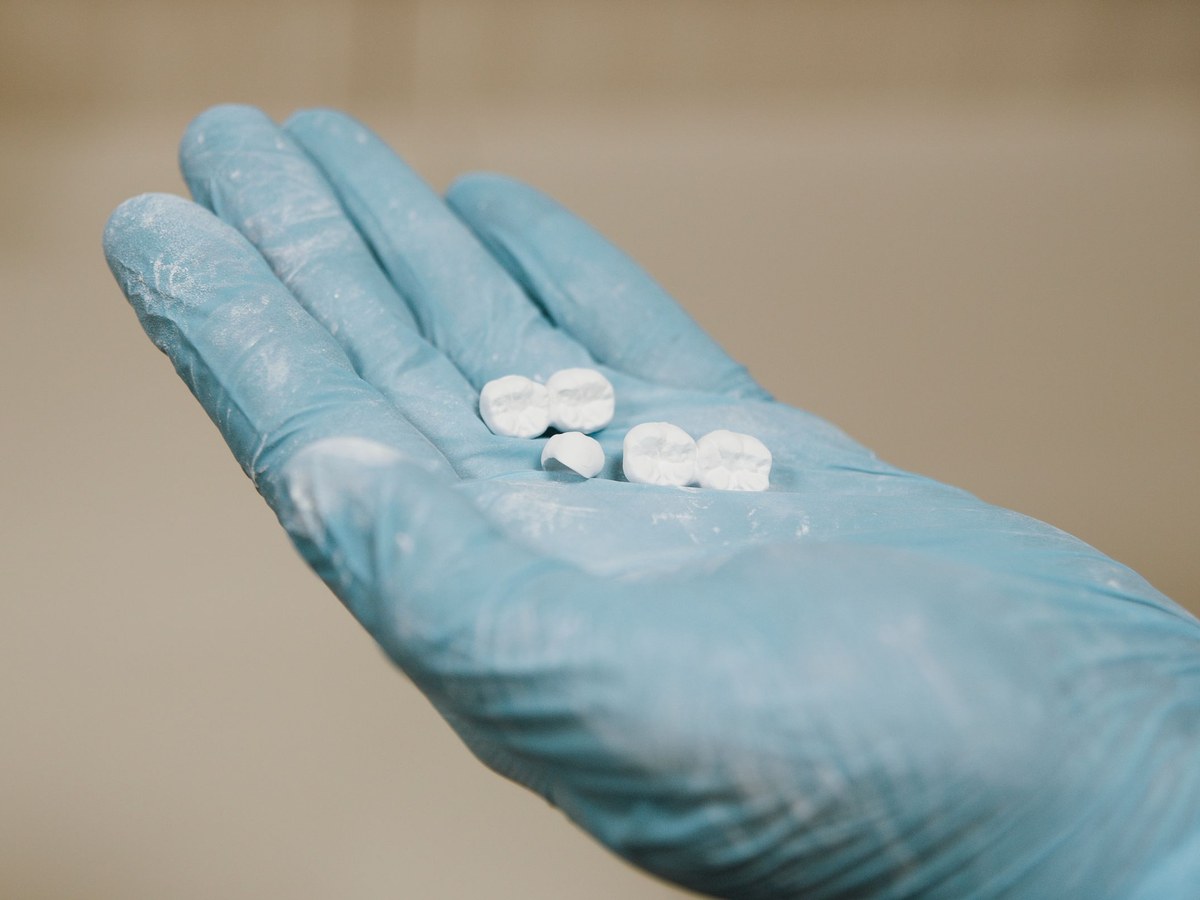
A crown isn’t a standalone object sitting in your mouth. It’s bonded to a natural tooth, and it lives in an environment with acid, bacteria, temperature swings, and heavy chewing forces.
Two people can receive identical crowns on the same day and have very different outcomes ten years on. Where the crown sits matters, since back molars take far more force than front teeth. So does what’s happening around it, and so does how the person looks after it.
Anyone quoting you a precise lifespan is guessing. What a dentist can tell you is what’s likely given your particular tooth and habits.
What the crown is made of
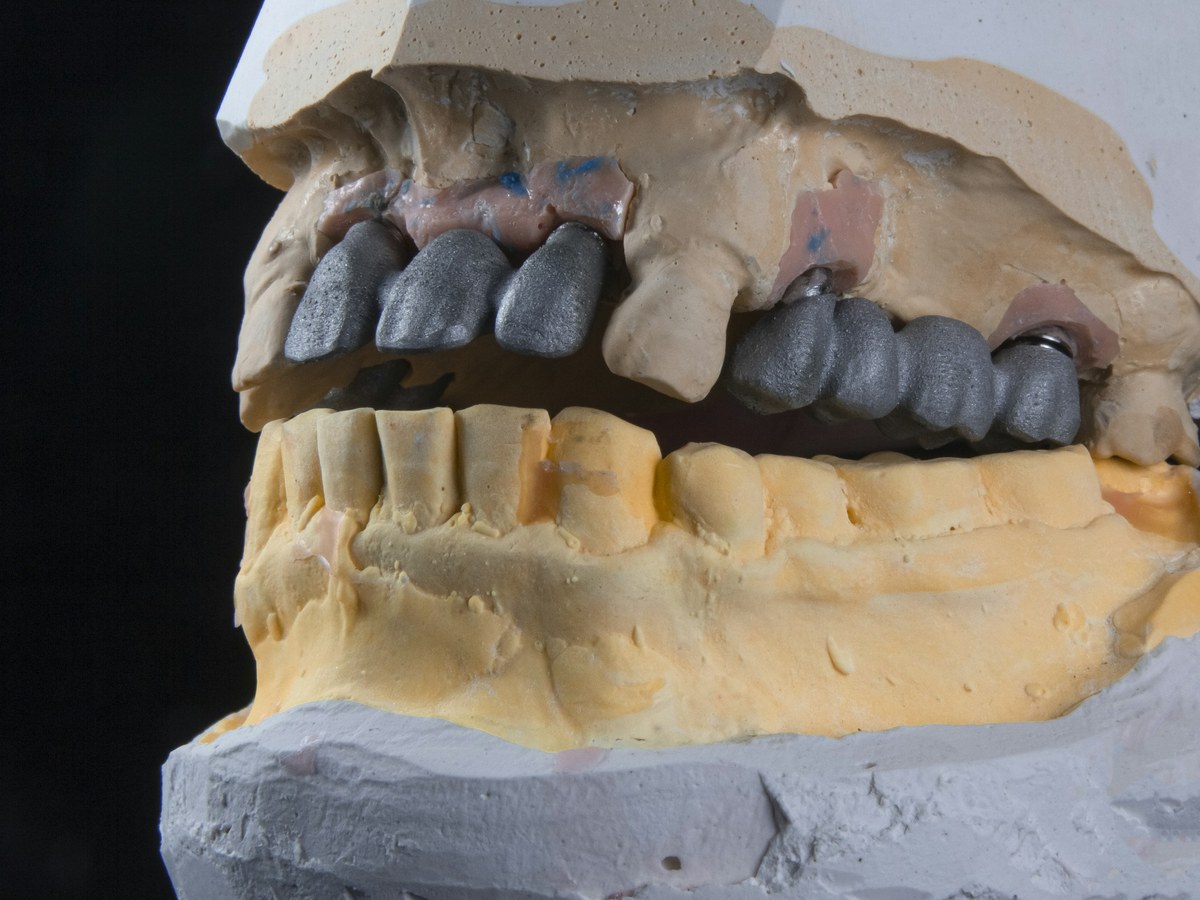
Material makes a difference, though probably less than people assume.
All-porcelain and ceramic crowns look the most natural, which is why they’re common on front teeth. Some ceramics are more prone to chipping under heavy load than metal-based options.
Metal and gold crowns tend to be durable and gentle on the opposing teeth. They’re less popular now for appearance reasons, though they still get used on back teeth where nobody sees them.
Porcelain fused to metal sits in between, combining a metal base with a tooth-colored surface. Over many years the porcelain layer can chip, or a dark line can appear at the gum margin.
Your dentist chooses based on where the tooth is, how much force it takes, and what you want it to look like. The dental crown page covers what the practice offers.
The thing that usually fails first
Here’s what surprises people: it’s frequently not the crown. It’s the tooth underneath.
The join between crown and tooth is where trouble tends to start. Plaque collects at that margin, and if it isn’t cleaned away properly, decay can develop under the edge. Because the crown covers the tooth, that decay can progress quietly before anyone notices.
Gum recession plays into it too. If gums pull back over the years, more of the tooth below the crown becomes exposed, and that newly exposed area is vulnerable. This is one reason gum health and crown longevity are linked more tightly than people expect.
The practical takeaway is that flossing around a crowned tooth matters. It’s the specific spot where the problem usually begins. If you’ve had fillings before, our post on what to know about dental fillings covers similar ground on restorations generally.
Habits that shorten the clock
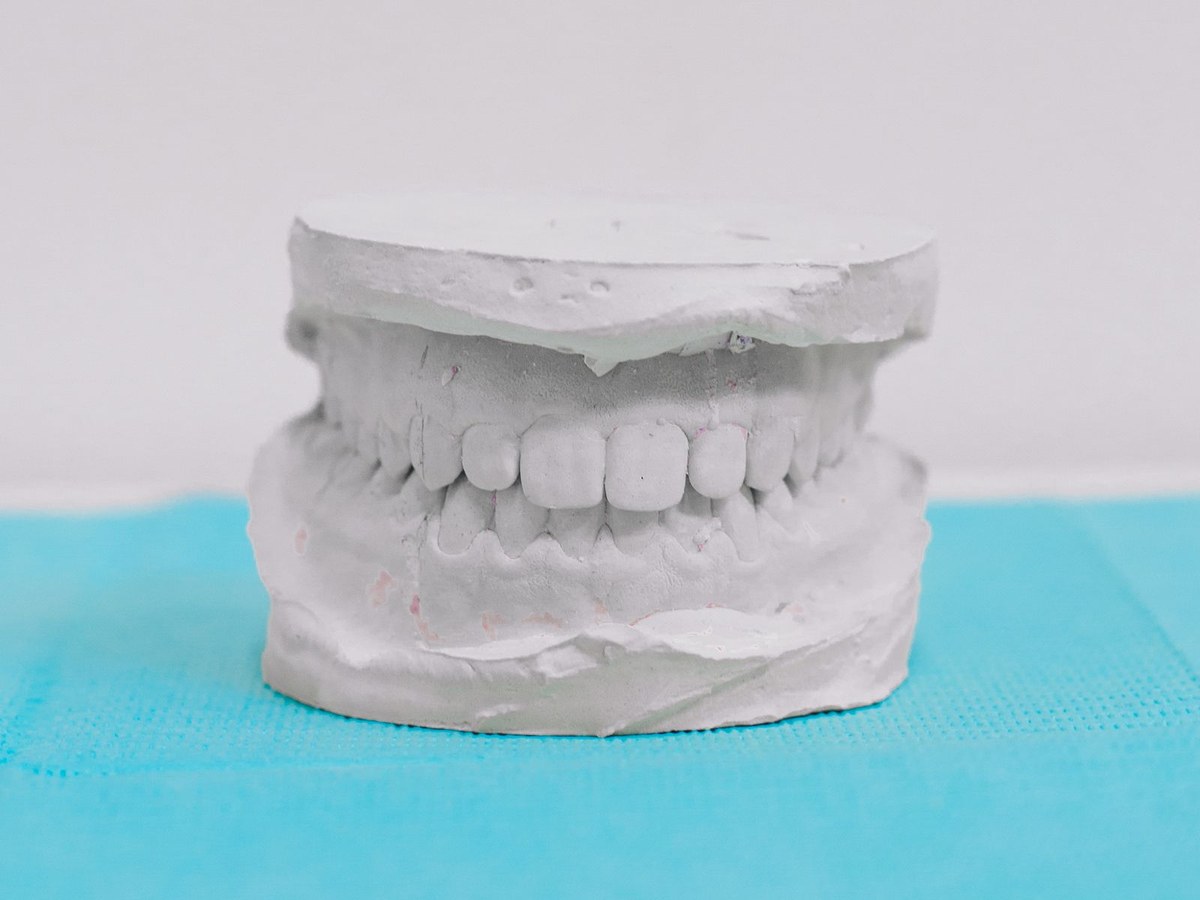
Grinding is the big one. Sustained pressure night after night is hard on any restoration, and people who grind often go through crowns faster. If you grind, a night guard is worth discussing, since it’s a much smaller expense than replacing crowns repeatedly.
Chewing ice, hard candy, and popcorn kernels causes its share of chipped crowns. So does using teeth as tools to open things.
Skipping checkups matters more than it seems. A small issue at a crown margin found early is a straightforward fix. The same issue found three years later may mean redoing the crown, or worse.
Signs your crown needs attention
Worth a call if you notice any of these: sensitivity or pain around the crowned tooth, a crown that feels loose or moves at all, a visible chip or crack, a dark line appearing at the gum, gums that are sore or swollen around it, or a change in how your bite feels.
A crown that comes off entirely should be kept and brought to your appointment. Don’t try to reattach it yourself with household adhesives.
Frequently Asked Questions
How long does a dental crown usually last?
Crowns commonly last somewhere between five and fifteen years, and many last longer with good care. Your dentist can give a more useful estimate based on the tooth, the material, and your habits.
Can a crown last a lifetime?
Some crowns last several decades, though no crown should be considered permanent. All dental restorations have a service life and may eventually need replacing.
What usually causes a crown to fail?
Decay at the margin where crown meets tooth is a common cause, along with grinding, chips, and gum recession exposing the tooth below. The underlying tooth often determines the outcome more than the crown itself.
Does a crowned tooth still need flossing?
Yes, and the margin where the crown meets the tooth is exactly where careful cleaning matters most. That join is the usual starting point for problems.
What should I do if my crown falls out?
Keep the crown, avoid chewing on that side, and contact the office to be seen. Don’t attempt to cement it back yourself with household products.
Keep the one you have
The most reliable way to get a long life out of a crown is unglamorous: clean around it properly, protect it if you grind, and keep your checkups so small problems get caught early.
Call the office at (805) 307-8731 or use the contact page to book a visit. Dr. Keihani and the Oxnard Dentistry team can check any crowns you already have and talk through what will help yours last.