


Key Takeaways
- Modern dental technology significantly reduces treatment discomfort and recovery times through minimally invasive techniques like digital imaging, laser treatments, and computer-guided procedures.
- Same-day restorations using CAD/CAM technology eliminate the need for multiple appointments and temporary crowns, making quality dental care more convenient for busy patients.
- Digital diagnostics, including 3D imaging and AI-assisted analysis, enable earlier detection of dental issues, allowing for more conservative treatments and better long-term outcomes.
Modern dental technology and state-of-the-art diagnostic tools have revolutionized dental care for patients of all ages. At Oxnard Dentistry, we’re committed to providing exceptional dental services through cutting-edge technology that enhances both treatment outcomes and patient comfort. Today’s dental innovations allow for more precise diagnostics, less invasive procedures, and improved overall oral health management. From digital imaging to laser treatments, these advancements have transformed how dental professionals dentists approach everything from routine dental check-ups to complex oral surgery procedures. Let’s explore how modern dental technology is reshaping the dental experience for patients in Oxnard and beyond.
Digital Imaging Revolutionizes Dental Diagnostics and Treatment Planning
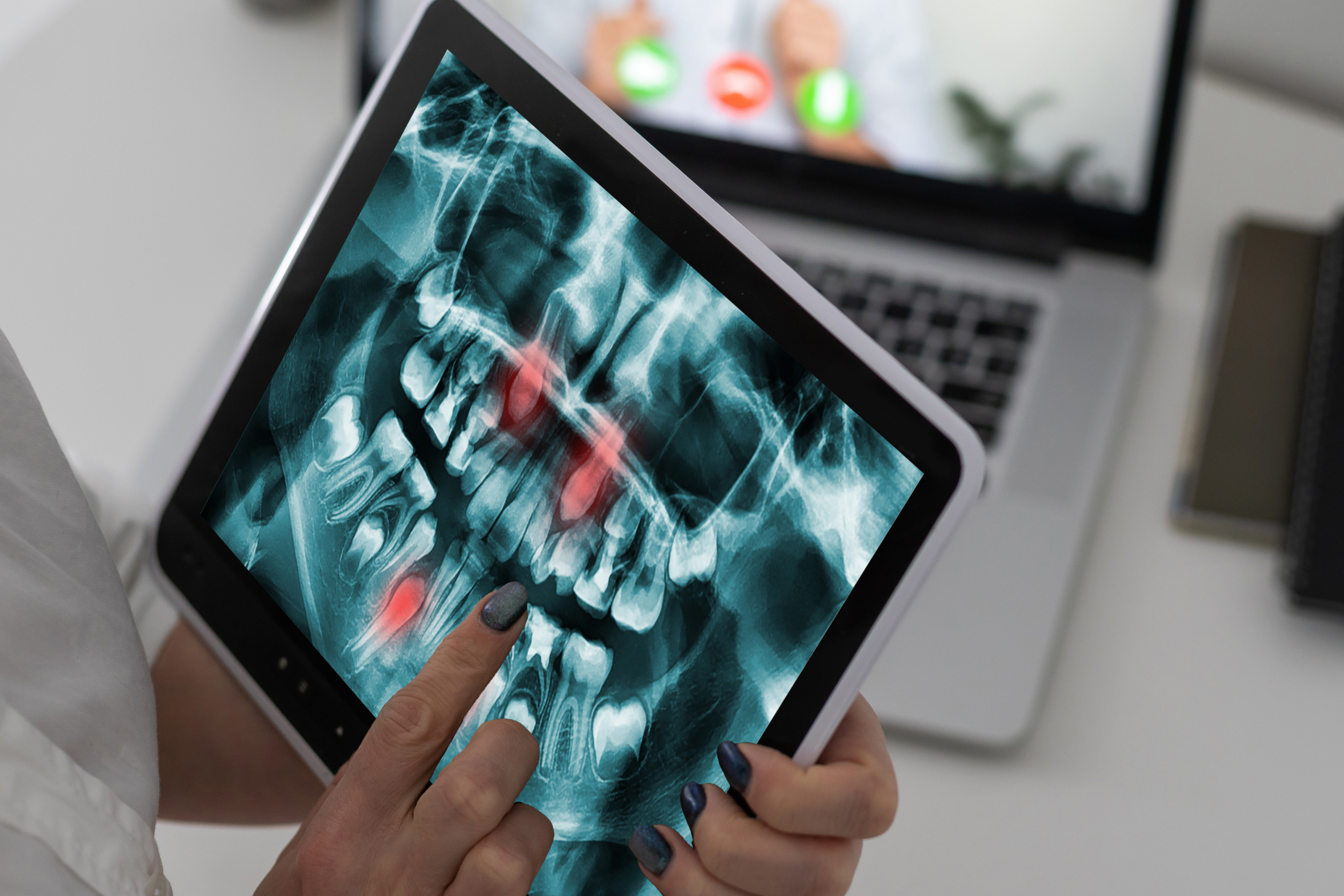
Digital imaging technology has fundamentally transformed how dental professionals diagnose and plan treatments for patients of all ages. Digital X-rays have largely replaced traditional film radiographs, exposing patients to significantly less radiation—up to 80% less according to the American Dental Association—while providing superior diagnostic clarity. These high-resolution images allow dentists in Oxnard to detect dental issues like tooth decay, dental implant placement needs, and bone loss at much earlier stages than previously possible.
Intraoral cameras represent another breakthrough in dental diagnostics, enabling dentists to capture detailed images of a patient’s mouth that can be immediately displayed on screens for both practitioner and patient viewing. This technology enhances patient education by allowing individuals to see exactly what the dentist observes, facilitating better understanding of oral health conditions and proposed treatments. For complex cases requiring orthodontics or oral surgery, these visual aids prove invaluable in explaining treatment rationales.
Perhaps the most significant advancement in dental imaging is Cone-Beam Computed Tomography (CBCT). This specialized type of dental technology creates detailed 3D images of teeth, soft tissues, nerve pathways, and bone structures in a single scan. For procedures like dental implant placement, root canal therapy, or complex tooth extractions, CBCT provides crucial information about anatomical structures that might otherwise remain hidden in traditional 2D X-rays.
AI-powered diagnostic tools represent the cutting edge of dental care, utilizing artificial intelligence to analyze dental images and identify potential issues that might be missed by the human eye. These systems can detect early signs of tooth decay, periodontal disease, and even oral cancer with remarkable accuracy, allowing for more timely interventions and improved treatment outcomes during routine dental check-ups.
The integration of these advanced imaging technologies at practices like Oxnard Dentistry means patients benefit from more accurate diagnoses, more efficient treatment planning, and ultimately better oral health outcomes. Digital records also facilitate seamless communication between dental specialists when referrals are necessary, ensuring comprehensive care coordination for complex dental needs.
Same-Day Restorations and Cosmetic Innovations Transform Patient Experience
Modern dental technology has revolutionized restorative and cosmetic dentistry, with CAD/CAM (Computer-Aided Design/Computer-Aided Manufacturing) systems standing at the forefront of this transformation. This technology enables dental professionals to design, fabricate, and place restorations such as crowns, inlays, and onlays in a single appointment—a process that traditionally required multiple visits spread over several weeks. For busy patients seeking dental care in Oxnard, this same-day service eliminates the need for temporary restorations and additional appointments, significantly improving convenience and treatment efficiency.
Dental lasers have similarly transformed both restorative and cosmetic procedures, allowing for minimally invasive treatments with greater precision. Soft tissue lasers enable dentists to perform gum reshaping, frenectomies, and other periodontal treatments with minimal bleeding and faster healing times compared to traditional surgical methods. Hard tissue lasers can prepare teeth for fillings with less vibration and often without the need for anesthesia, making the experience more comfortable for patients with dental anxiety.
The emergence of 3D printing in dentistry represents another revolutionary advancement that has expanded treatment possibilities. Dental professionals can now produce custom surgical guides for dental implant placement, precisely fitted night guards, and even temporary restorations with exceptional accuracy. The technology ensures better fit and function of dental appliances while reducing production time and laboratory costs, making quality dental care more accessible.
Biomimetic materials have similarly transformed restorative dentistry by closely mimicking the natural properties of tooth structure. Modern composite resins for dental fillings not only match tooth color but also flex and function like natural tooth material, creating stronger and longer-lasting restorations. These materials bond directly to the tooth, preserving more healthy structure and providing enhanced aesthetics compared to traditional amalgam fillings.
These technological innovations collectively enhance both the functional and aesthetic outcomes of dental treatments while making the process more comfortable and convenient for patients. At Oxnard Dentistry, the integration of these advanced techniques and materials allows for comprehensive treatment options that prioritize both oral health and patient satisfaction, embodying the practice’s commitment to exceptional, patient-centered care.
Clear Aligners and Digital Orthodontics Offer Discreet Treatment Options
Orthodontic technology has undergone a remarkable evolution, with clear aligner systems like Invisalign transforming how patients approach teeth straightening. Unlike traditional metal braces, these transparent, removable aligners offer a discreet treatment option that has revolutionized orthodontics for patients of all ages. Digital scanning technology has eliminated the need for uncomfortable impression materials, instead utilizing optical scanners to create precise 3D models of the patient’s dentition. This advancement not only improves comfort during the diagnostic phase but also enhances treatment accuracy and efficiency.
The integration of artificial intelligence with orthodontic planning software allows dental professionals to predict tooth movement with unprecedented precision. Treatment simulations provide patients with a virtual preview of their expected results, creating realistic expectations and improving treatment compliance. For Oxnard dentists specializing in orthodontics, these tools facilitate more predictable outcomes while allowing patients to visualize their future smile before committing to treatment.
Digital monitoring systems have further revolutionized the orthodontic experience by reducing the frequency of in-office visits. Patients can now submit regular smartphone photos of their teeth through specialized apps, allowing dentists to remotely track treatment progress. This technology is particularly valuable for busy professionals and students seeking orthodontic care who benefit from fewer disruptions to their schedules while maintaining close professional supervision of their treatment.
Accelerated orthodontics represents another significant advancement, with devices and techniques that can reduce treatment duration by up to 50% compared to conventional methods. Technologies such as high-frequency vibration devices stimulate bone remodeling, allowing teeth to move more quickly through the alveolar bone. For patients concerned about treatment timeframes, these innovations make orthodontic treatment more appealing by offering comparable results in less time.
The combination of these technological advancements has democratized orthodontic treatment, making it more accessible and appealing to a wider range of patients. At Oxnard Dentistry, the integration of these modern orthodontic technologies enables the provision of comfortable, efficient, and aesthetically pleasing teeth straightening options that align perfectly with patients’ lifestyle needs and cosmetic goals.
Advanced Periodontal and Endodontic Equipment Improves Treatment Outcomes
Modern periodontal treatments have been revolutionized by laser technology, particularly through protocols like LANAP (Laser-Assisted New Attachment Procedure). This minimally invasive approach to treating gum disease utilizes specific wavelengths of laser light to selectively remove diseased tissue while preserving healthy gum tissue. For patients requiring periodontal treatment, this technology significantly reduces post-operative discomfort, minimizes bleeding, and accelerates healing compared to traditional surgical methods. Studies indicate that laser periodontal therapy can achieve comparable or superior results to conventional treatments with less trauma to surrounding tissues.
In the realm of endodontics, microscopic technology has transformed the precision and success rates of root canal procedures. Dental operating microscopes provide magnification up to 25 times, allowing endodontists to visualize minute details within tooth structures that would otherwise remain invisible to the naked eye. This enhanced visualization enables the identification and treatment of complex canal systems, detection of microfractures, and more thorough removal of infected tissue, all contributing to higher success rates for root canal therapy and fewer retreatment cases.
Ultrasonic scaling devices represent another significant advancement in periodontal care, utilizing high-frequency vibrations to remove plaque and calculus from tooth surfaces more efficiently than manual instruments. These devices can access deeper periodontal pockets while causing less trauma to surrounding tissues, making dental cleaning procedures more comfortable and effective. Additionally, many modern ultrasonic systems incorporate irrigation features that simultaneously flush away debris and deliver antimicrobial solutions, enhancing treatment outcomes.
Piezosurgery exemplifies precision in oral surgery, using ultrasonic microvibrations to selectively cut bone tissue while preserving adjacent soft tissues. This technology proves invaluable in procedures like tooth extractions, particularly wisdom teeth removal, where proximity to nerves and blood vessels presents significant risks. The selective cutting action reduces collateral damage, decreases post-operative swelling and pain, and accelerates healing times compared to conventional surgical techniques.
These specialized technologies collectively enhance the quality of care available for patients with periodontal disease or requiring endodontic treatment. At Oxnard Dentistry, the integration of these advanced tools allows for more predictable outcomes, reduced recovery times, and improved patient comfort during what have traditionally been among the most challenging dental procedures. This commitment to technological advancement reflects the practice’s dedication to providing exceptional care while minimizing patient discomfort.
Teledentistry and Digital Practice Management Enhance Patient Convenience
Teledentistry has emerged as a transformative technology in dental care, particularly following global health challenges that accelerated its adoption. This innovative approach allows dental professionals to conduct virtual consultations, evaluate urgent conditions, and monitor ongoing treatments remotely. For patients in Oxnard seeking dental care, teledentistry offers unprecedented convenience by eliminating unnecessary travel time and reducing time away from work or family commitments. Studies show that approximately 60% of dental consultations can be effectively conducted through virtual platforms, reserving in-person visits for procedures that require hands-on treatment.
Sedation dentistry technologies have similarly evolved to address dental anxiety, which affects an estimated 36% of the population. Modern monitoring equipment allows for safer administration of various sedation methods, from nitrous oxide to oral conscious sedation, enabling anxious patients to receive necessary dental care comfortably. These advancements have made dental treatments accessible to individuals who might otherwise avoid seeking care due to fear or anxiety, significantly improving oral health outcomes for this vulnerable population.
Electronic Health Records (EHR) systems have revolutionized practice management and patient care coordination. These comprehensive digital platforms securely store patient information, treatment histories, radiographs, and insurance details in easily accessible formats. For dental practices, this technology streamlines operations by reducing paperwork, minimizing errors, and facilitating seamless communication between providers when referrals are necessary. Patients benefit through improved continuity of care, reduced redundant procedures, and more personalized treatment planning based on their comprehensive health history.
Virtual reality (VR) and augmented reality (AR) applications represent the cutting edge of dental education and patient engagement. These immersive technologies allow patients to visualize treatment outcomes before procedures begin, particularly valuable for cosmetic dentistry and orthodontics. For dental professionals, VR training simulations provide risk-free environments to perfect techniques before performing them on actual patients. Some forward-thinking practices even offer VR headsets during treatment to distract patients and reduce perceived discomfort during procedures.
The integration of these digital technologies at Oxnard Dentistry reflects a commitment to enhancing both operational efficiency and patient experience. By embracing these innovations, the practice demonstrates its dedication to making quality dental care more accessible, comfortable, and convenient for patients of all ages, while maintaining the personal touch that characterizes their service-oriented approach.
The Future of Dental Technology: Emerging Innovations and Patient Benefits
The landscape of dental technology continues to evolve rapidly, with several emerging innovations poised to further transform patient care. Robotics in dentistry represents one of the most promising frontiers, with systems like Yomi for dental implants already receiving FDA approval. These robotic assistants provide unprecedented precision in procedures like implant placement, with studies demonstrating deviation rates of less than 0.5mm from planned positions. For patients seeking dental implants in Oxnard, robotic assistance translates to more predictable outcomes, reduced chair time, and potentially longer-lasting restorations.
Regenerative dentistry technologies are similarly advancing, offering the possibility of biological tooth repair rather than artificial replacement. Stem cell research shows promising results in regenerating dental pulp tissue and even entire tooth structures in laboratory settings. While still primarily experimental, these approaches could eventually eliminate the need for traditional root canal therapy and artificial dental implants, instead stimulating the body’s natural healing processes to restore damaged dental tissues.
Artificial intelligence continues to expand its applications in dental care beyond diagnostics. AI algorithms are now being developed to predict treatment outcomes based on thousands of similar cases, allowing for more personalized treatment planning. For orthodontic treatments, this means more accurate predictions of tooth movement and potential complications, resulting in fewer adjustments and shorter treatment times. The integration of machine learning with patient health records also enables the identification of patterns that might indicate increased risk for conditions like oral cancer or periodontal disease, facilitating preventive interventions.
Nanotechnology applications in dentistry are advancing materials science, with nanoparticle-enhanced composites demonstrating superior strength, wear resistance, and antibacterial properties compared to conventional materials. These improved materials promise longer-lasting restorations with reduced risk of secondary decay. Similarly, nano-enhanced coatings for dental implants show improved osseointegration and reduced rejection rates, potentially extending the lifespan of implant-supported restorations.
While adopting cutting-edge technology, Oxnard Dentistry maintains its commitment to accessible, patient-centered care. The practice carefully evaluates new innovations not just for their technical capabilities but for their potential to enhance patient comfort, reduce treatment times, and improve long-term outcomes. This balanced approach ensures that technological advancement serves its primary purpose: providing exceptional dental care that improves patients’ oral health and overall quality of life.
How to Choose a Technology-Forward Dental Practice in Oxnard
Selecting a dental practice that effectively integrates modern technology requires careful consideration of several key factors. First, assess whether the practice utilizes digital radiography and 3D imaging technology, as these fundamental tools significantly enhance diagnostic accuracy while reducing radiation exposure. Practices like Oxnard Dentistry that prominently feature state-of-the-art equipment typically demonstrate a commitment to providing the highest standard of care through continuous technological investment.
When evaluating potential dental providers, inquire about their approach to continuing education and technology training. Dental technology evolves rapidly, and practitioners committed to staying current through regular professional development are more likely to implement new techniques effectively. During initial consultations, don’t hesitate to ask about the specific technologies used for various procedures and how they benefit treatment outcomes. Knowledgeable practitioners should be able to clearly explain these advantages without resorting to overly technical language.
Consider how the practice balances technology with personal care. While advanced equipment enhances treatment precision, the human element remains crucial to quality dental care. The best technology-forward practices, including trusted Oxnard dentists, integrate digital innovations while maintaining a warm, patient-centered approach. Look for practices where technology serves to enhance rather than replace meaningful doctor-patient interactions.
Examine whether the practice offers digital communication options such as online appointment booking, electronic forms, and virtual consultations. These conveniences reflect a comprehensive approach to integrating technology throughout the patient experience, not just in clinical applications. For busy individuals seeking dental care, these digital solutions can significantly improve accessibility and satisfaction with the practice.
Finally, review patient testimonials specifically mentioning technological aspects of care. Firsthand accounts of experiences with technologies like same-day crowns, digital impressions, or laser treatments provide valuable insights into how effectively the practice implements these innovations. Patients frequently comment on whether technological advancements actually improved their comfort, convenience, and treatment outcomes—information that proves invaluable when selecting a dental provider for your family’s oral health needs.
FAQ: Modern Dental Technology at Oxnard Dentistry
How do digital X-rays differ from traditional X-rays, and what are the benefits?
Digital X-rays represent a significant advancement over traditional film radiography, offering numerous benefits for both patients and dental professionals. The most notable advantage is radiation reduction—digital systems typically expose patients to 70-90% less radiation than conventional X-rays while providing superior image quality. These images can be instantly viewed on computer screens, eliminating processing time and allowing for immediate discussion of findings during your appointment.
Digital radiography also enables image enhancement, with software that can magnify, sharpen, adjust contrast, or apply color coding to highlight specific areas of concern. This improved visualization helps detect dental issues like cavities, bone loss, and infections at much earlier stages than previously possible. From an environmental perspective, digital systems eliminate the need for film processing chemicals and lead foil, making them a more eco-friendly option.
Perhaps most valuable from a treatment perspective is the ability to store images electronically and easily share them between providers when specialist referrals are necessary. At Oxnard Dentistry, our investment in digital radiography reflects our commitment to providing the safest, most effective diagnostic tools while maintaining our focus on patient comfort and care quality.
Are dental lasers painful, and what procedures can they be used for?
Dental lasers actually reduce pain and discomfort for most procedures compared to traditional methods. The precision of laser energy allows dentists to target specific tissues while minimizing impact on surrounding areas, resulting in less bleeding, swelling, and post-operative discomfort. Many patients report requiring less anesthesia during laser procedures, and some treatments can be performed with no anesthesia at all.
At Oxnard Dentistry, we utilize different types of dental lasers for various procedures. Soft tissue lasers are employed for gum reshaping, treating periodontal disease, performing frenectomies, and removing small lesions. These procedures heal more quickly with lasers than with traditional surgical approaches. Hard tissue lasers can prepare teeth for fillings by precisely removing decay while preserving more healthy tooth structure than conventional drills.
Laser technology is particularly beneficial for patients with dental anxiety, as the absence of the drill’s noise and vibration creates a more comfortable experience. Additionally, the antibacterial properties of laser energy can improve long-term outcomes by sterilizing treated areas during procedures, reducing infection risk, and promoting faster healing.
What is CAD/CAM technology, and how does it benefit dental patients?
CAD/CAM (Computer-Aided Design/Computer-Aided Manufacturing) technology revolutionizes restorative dentistry by enabling the design and fabrication of dental restorations in a single appointment. This system combines digital scanning, computer design software, and in-office milling units to create precise, custom-fitted restorations without traditional impressions or temporary crowns.
The process begins with a digital scan of the prepared tooth, eliminating the discomfort associated with conventional impression materials. Using specialized software, the dentist designs the restoration on screen, adjusting fit, form, and occlusion with exceptional precision. Once designed, the information transfers to a milling unit that carves the restoration from a solid block of ceramic material, typically completing the process in under an hour.
For patients, the benefits are substantial: treatment completion in one visit rather than multiple appointments, elimination of temporary restorations that might fail or cause discomfort, and no need for additional anesthesia at a second visit. The digital design process also allows for more conservative tooth preparation, preserving more natural tooth structure. At Oxnard Dentistry, our investment in this technology exemplifies our commitment to combining technical excellence with patient convenience.
How accurate and effective are clear aligners compared to traditional braces?
Clear aligner systems like Invisalign have proven highly effective for treating a wide range of orthodontic issues, with comparable results to traditional braces for most cases. Research indicates that clear aligners excel at resolving mild to moderate crowding, spacing issues, and some bite problems. The digital planning process allows for precise tooth movement prediction, often resulting in treatment times 20-50% shorter than conventional orthodontics for similar cases.
The effectiveness of clear aligner therapy depends significantly on patient compliance, as the removable nature of aligners requires disciplined wear of 20-22 hours daily. For complex orthodontic cases involving severe rotations, significant bite corrections, or vertical tooth movements, traditional braces may still offer advantages in certain situations. However, ongoing technological improvements continue to expand the range of cases suitable for aligner therapy.
At Oxnard Dentistry, we conduct comprehensive evaluations to determine whether clear aligners or traditional orthodontics would best address each patient’s specific needs. Our digital scanning technology creates precise 3D models for treatment planning, and virtual simulations allow patients to preview expected results before beginning treatment. This personalized approach ensures that patients receive the most appropriate and effective orthodontic solution for their unique situation.
What advancements have made dental implants more successful and accessible?
Dental implant technology has advanced dramatically in recent years, significantly improving both success rates and patient experiences. Digital planning with CBCT imaging allows for precise evaluation of bone volume and quality, enabling virtual implant placement before the actual surgery. This detailed planning minimizes risks to anatomical structures like nerves and sinuses while optimizing implant positioning for both function and aesthetics.
Surface technology innovations have enhanced osseointegration—the biological bond between implant and bone. Modern implants feature microscopically roughened surfaces and bioactive coatings that accelerate healing and strengthen the bone-implant interface. These advancements have increased long-term success rates to over 95% for most patient populations, including those previously considered challenging candidates.
Minimally invasive surgical techniques, often guided by 3D-printed surgical guides, have reduced recovery times and post-operative discomfort. In many cases, immediate loading protocols allow for provisional restorations to be placed the same day as implant surgery, eliminating the traditional months-long waiting period between implant placement and restoration.
At Oxnard Dentistry, our comprehensive approach to implant dentistry incorporates these technological advancements while maintaining focus on individualized treatment planning. We carefully assess each patient’s unique needs and circumstances to determine the most appropriate implant solution, ensuring optimal functional and aesthetic outcomes.
How is AI changing dental diagnostics and treatment planning?
Artificial intelligence is transforming dental diagnostics through advanced pattern recognition capabilities that can identify potential issues with remarkable accuracy. AI-powered analysis of radiographs can detect early caries, periodontal disease, and even pathologies like tumors or cysts at stages that might be missed by visual examination alone. Studies show that AI diagnostic systems can achieve accuracy rates exceeding 90% for certain conditions, providing valuable assistance to dental professionals.
In treatment planning, AI algorithms analyze thousands of similar cases to predict outcomes and identify optimal approaches for specific clinical situations. For orthodontics, this means more accurate predictions of tooth movement and treatment duration. For restorative and implant dentistry, AI can help determine ideal prosthetic designs and implant positions based on functional and aesthetic parameters.
Risk assessment represents another valuable application, with AI systems analyzing patient data to identify individuals at higher risk for conditions like periodontal disease or oral cancer. This enables more personalized preventive strategies and monitoring protocols tailored to each patient’s specific risk profile.
At Oxnard Dentistry, we view AI as a powerful complement to clinical expertise rather than a replacement for professional judgment. The combination of technological analysis with human experience and patient-specific considerations allows us to provide truly comprehensive, individualized care that addresses both immediate concerns and long-term oral health goals.