


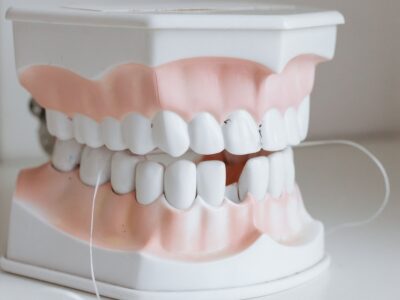
Your gums bleed when you brush. Maybe they look puffier than they used to, or someone mentioned “a bit of gum disease” at your last cleaning. The obvious question follows: can this be undone, or is it something you’re stuck with now?
The answer depends heavily on how far along it is, and that distinction is the single most useful thing to understand about gum disease. Caught early, it’s often reversible. Left to progress, it generally shifts into something you manage rather than cure. Here’s how the team at Oxnard Dentistry would explain the difference.
Quick Summary
- Gum disease comes in stages. The early stage, gingivitis, is often reversible with professional cleaning and better daily habits.
- Once it advances to periodontitis and affects the bone supporting your teeth, that damage generally cannot be fully reversed.
- Advanced gum disease can usually be stabilized and managed, which is a meaningful outcome even though it isn’t a cure.
- Bleeding gums are worth taking seriously. They’re a common early sign and easy to dismiss.
- Only an exam can tell you which stage you’re in, since the difference is measured, not guessed.
The two stages, and why the line between them matters
Gingivitis is inflammation of the gum tissue. Gums may look red or swollen, and they often bleed during brushing or flossing. At this stage the bone that holds your teeth in place hasn’t been affected. Because the damage is limited to soft tissue, it can often resolve with a professional cleaning and consistent care at home. Many people see a real difference within weeks.
Periodontitis is what can develop when gingivitis is left unaddressed. The inflammation extends deeper, and the bone and supporting structures around the teeth begin to break down. Pockets form between gum and tooth where bacteria collect.
Here’s the part that matters: bone that has been lost doesn’t grow back on its own. That’s why the honest answer to “can gum disease be reversed” is a qualified one. Early, often yes. Advanced, generally no, though it can usually be brought under control.
What “managed” actually means
Managed isn’t a consolation prize. For someone with periodontitis, stabilizing the condition means stopping further bone loss, reducing inflammation, and keeping teeth that might otherwise have been lost.
Treatment often starts with a deep cleaning that addresses the surfaces below the gum line. More involved cases may need additional periodontal treatment, and ongoing maintenance visits usually become part of the routine at a closer interval than a standard cleaning schedule.
Results vary from person to person, and how well someone responds depends on the extent of the disease, general health, smoking, and how consistently they keep up with care at home and appointments. The periodontics page covers what treatment involves.
What tends to make it worse
Plaque that isn’t removed hardens into tartar, which can’t be brushed away and needs professional removal. That’s the engine behind most of it.
Smoking and tobacco use are strongly associated with gum problems and can make treatment less effective. Some medical conditions and some medications affect gum health as well, which is why your dentist asks about your health history.
Hormonal changes during pregnancy can make gums more reactive. Stress, poor sleep, and a diet heavy in sugar all play supporting roles. None of these cause gum disease on their own, though they can tilt the odds.
Signs worth acting on
Bleeding when you brush or floss is the one people most often ignore. Bleeding gums are not normal, and treating them as normal is how early gum disease quietly progresses.
Other things to notice: persistent bad breath, gums that look red or swollen, gums that appear to be pulling back from the teeth, tenderness, or a tooth that feels slightly loose. Any of these deserve a look.
It’s also worth knowing that gum disease is often painless in its early stages. Plenty of people have it without any discomfort at all, which is a large part of why regular checkups catch things that self-assessment misses. Our post on why preventive care pays off makes that case in more detail.
What actually helps
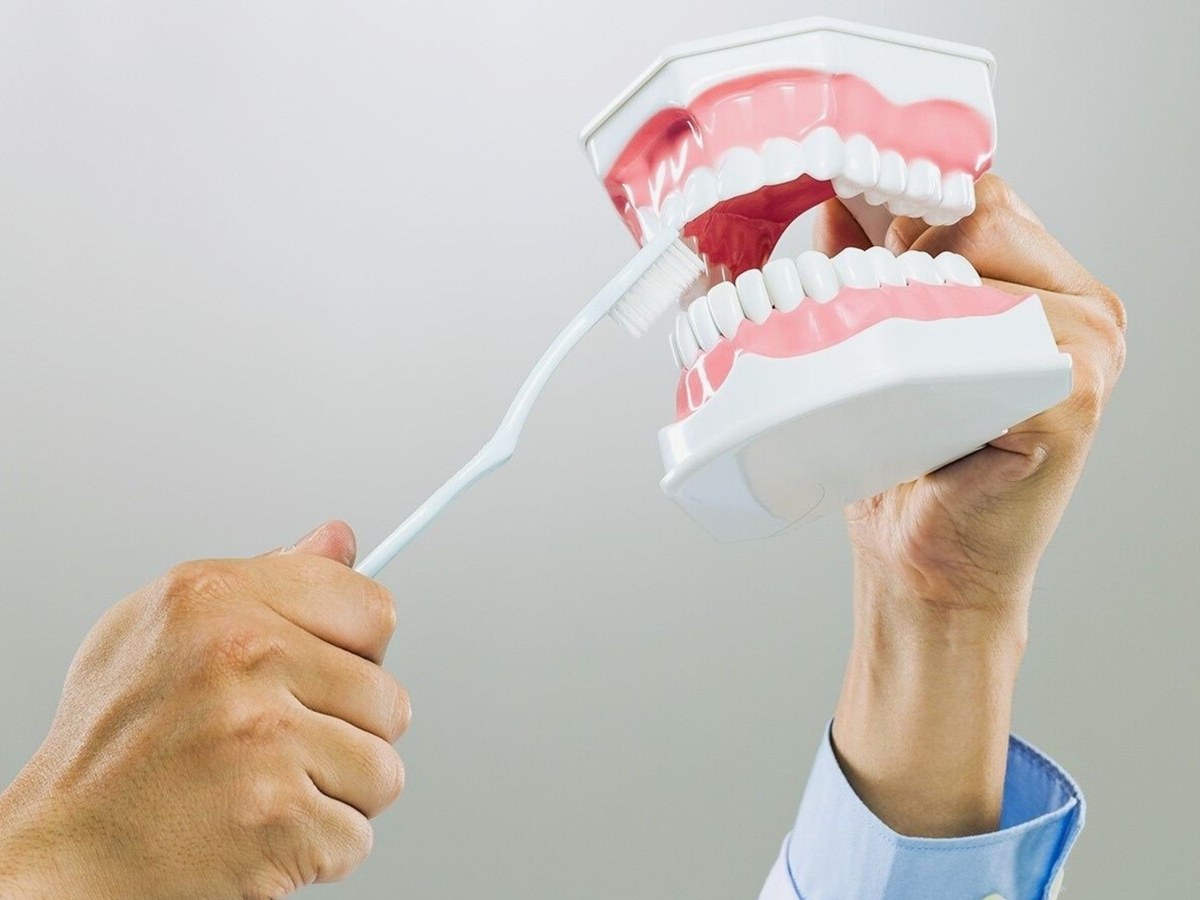
The basics are unglamorous and they work. Brushing twice daily with a soft brush, cleaning between the teeth every day, and keeping your cleaning appointments do most of the heavy lifting.
Technique matters more than effort. Scrubbing harder can irritate gums and wear enamel. Gentle, thorough, and daily beats vigorous and occasional.
If you smoke, addressing that helps your gums more than almost anything else you could change. Staying hydrated helps too, since a dry mouth gives bacteria an easier time.
What none of this replaces is a professional assessment. Home care can’t remove tartar and can’t measure pocket depths, and those measurements are how anyone actually knows which stage you’re in.
Frequently Asked Questions
Can gum disease be reversed completely?
Early gum disease, gingivitis, can often be reversed with professional cleaning and consistent home care. Once it advances to periodontitis and bone is affected, that damage generally can’t be reversed, though the condition can usually be managed.
How long does it take for gums to improve?
Many people notice less bleeding and swelling within a few weeks of a cleaning and better daily habits. Timelines vary depending on the starting point and how consistent the home care is.
Are bleeding gums always a sign of gum disease?
Bleeding is a common early sign, though it can also follow a change in brushing technique or certain medications. It’s worth having checked rather than assumed either way.
Can I treat gum disease at home?
Good home care is a large part of managing it, but it can’t remove hardened tartar below the gum line. Professional cleaning is generally needed alongside whatever you do at home.
Will I lose teeth if I have gum disease?
Not necessarily. Advanced gum disease is a leading cause of tooth loss, though many people keep their teeth when the condition is treated and maintained. Your dentist can assess where you stand.
Have your gums checked
If your gums bleed, the useful next step is finding out which stage you’re dealing with. That answer changes what happens next, and it’s a measurement rather than a judgment call.
Call the office at (805) 307-8731 or get in touch through the contact page. Dr. Keihani and the Oxnard Dentistry team can examine your gums, take the measurements that matter, and explain plainly where things stand.