

A deep cleaning is a treatment for gum disease, and that one sentence explains most of what makes it different from the cleaning you’re used to. A regular cleaning keeps healthy gums healthy. A deep cleaning works below the gumline, where a regular cleaning can’t reach, to deal with an infection that has already started.
This guide from Oxnard Dentistry explains what the procedure involves, how it compares with a routine cleaning, how a dentist decides whether you need one, whether it hurts, and what the weeks afterwards look like. It’s general information. Whether you need one is settled at an exam.
Quick Summary
- A deep cleaning, called scaling and root planing, removes plaque, tartar and bacteria from below the gumline and smooths the roots so it’s harder for bacteria to settle back in.
- It’s for gum disease that has moved below the gumline. Healthy gums, and the early stage called gingivitis, are usually handled by a regular professional cleaning plus daily brushing and flossing.
- Local anaesthetic is often used. Soreness and sensitivity for days to a few weeks afterwards are common.
- Expect one to two hours per visit, often split over two visits, with a follow-up check a few weeks later.
- You can ask to see the measurements behind the recommendation, and you can decline any treatment.
What a deep cleaning is, in plain words
The National Institute of Dental and Craniofacial Research, part of the National Institutes of Health, describes gum disease as “an infection that causes inflammation of the tissues that hold your teeth in place.” When it reaches the roots, the dentist may carry out what the institute calls “scaling and root planing,” a deep cleaning of the affected tooth. The institute’s gum disease page is a plain-language place to read more.
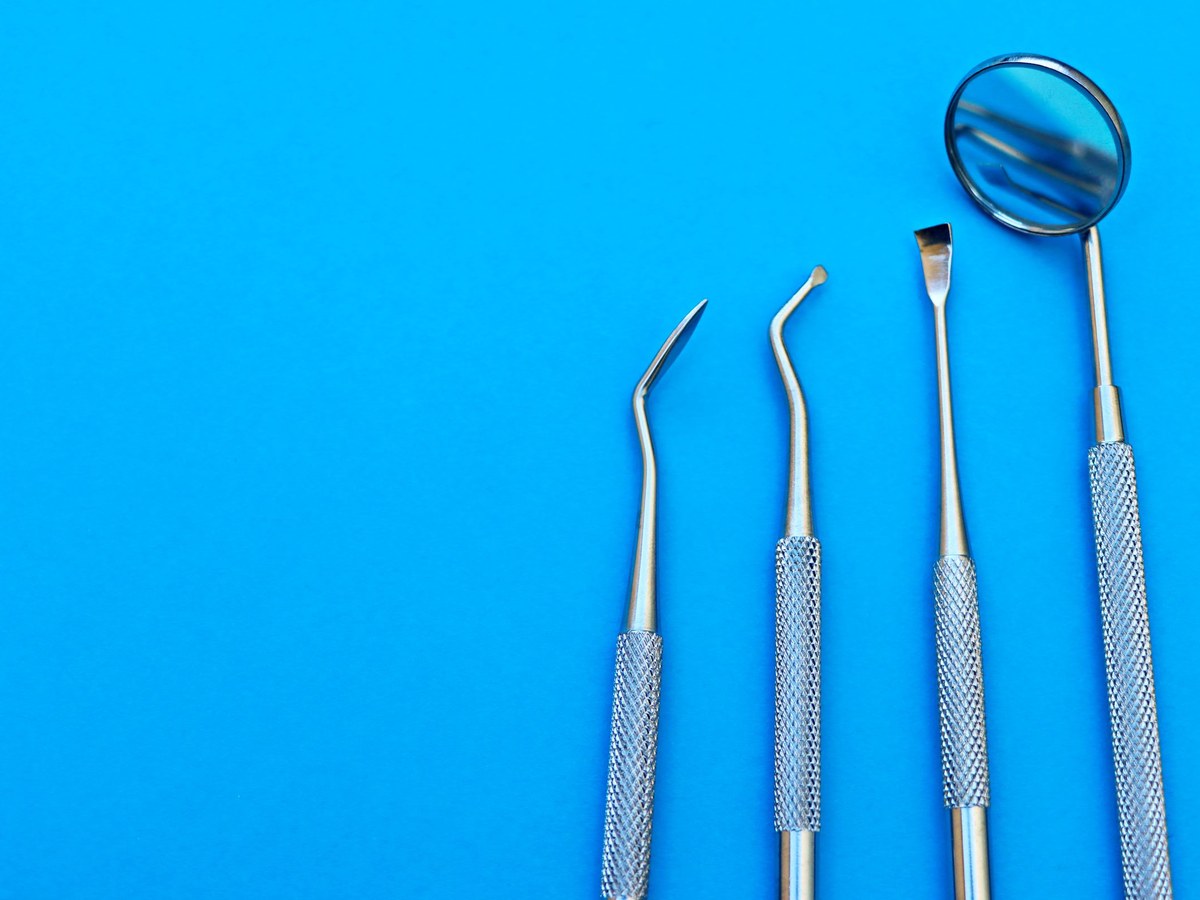
Oxnard Dentistry’s periodontics page breaks the job into its two steps. Scaling removes plaque, tartar and bacteria from the teeth and root surfaces with specialized dental tools. Root planing then smooths the cleaned root surfaces, which makes it harder for bacteria and plaque to reattach.
That second step is the part a regular cleaning never does, and it’s why the appointment is longer and often numbed.
Regular cleaning vs deep cleaning, side by side
The two appointments have the same goal, healthy gums, and almost nothing else in common.
| Regular cleaning | Deep cleaning | |
|---|---|---|
| What it’s for | Healthy gums, or gingivitis, the early and reversible stage | Gum disease that has moved below the gumline |
| Where it works | Above and at the gumline | Below the gumline, down to the root surfaces |
| Numbing | Usually none | Local anaesthetic is often used |
| Visits | One | Often one or two, sometimes by sections of the mouth |
| Afterwards | Back to your usual routine | Soreness and sensitivity for days to a few weeks |
| Follow-up | Routine checkups | A re-check a few weeks later, then more frequent cleanings for a while |
The table flattens a lot of detail. Your mouth may need something in between, like a deep cleaning on one side only, and your dentist will say so.
How a dentist decides you need one
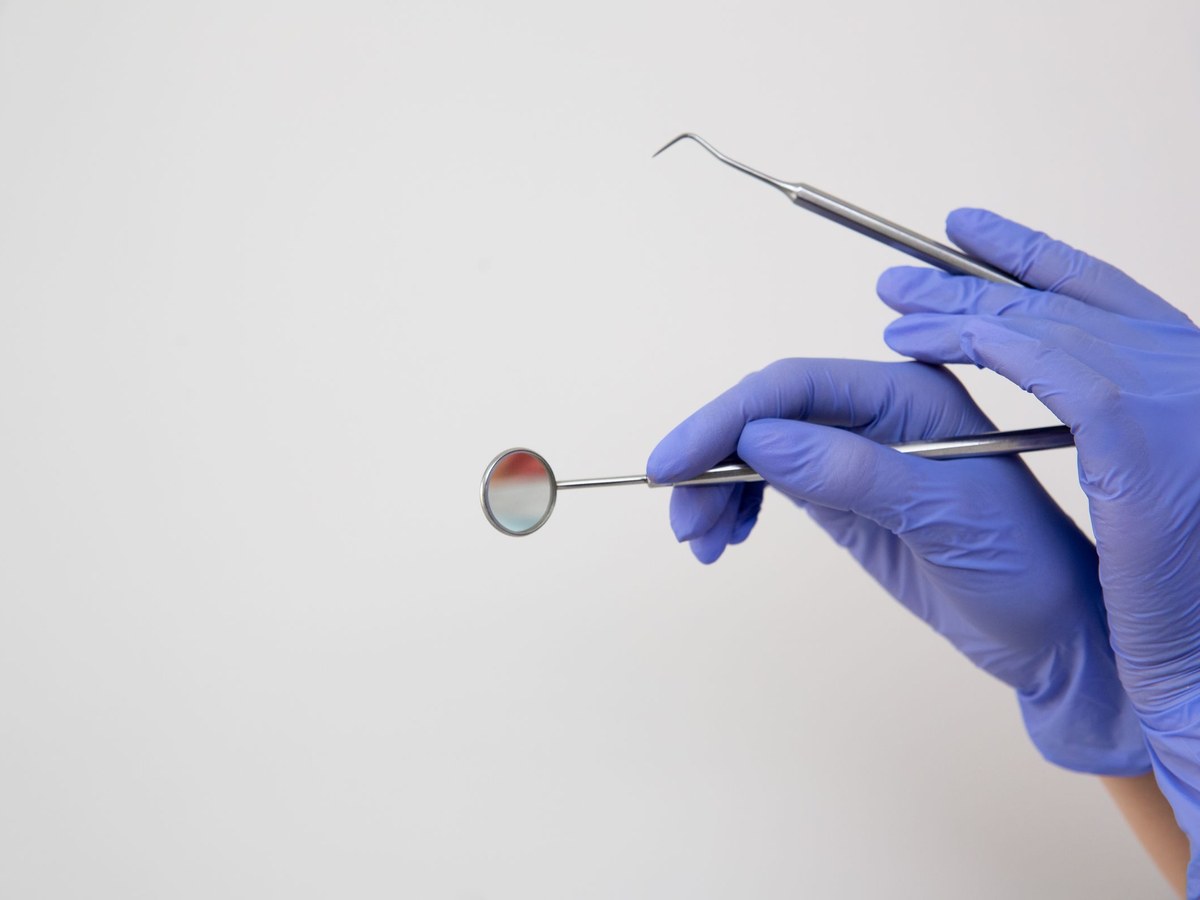
The decision rests on measurements rather than a feeling. A small probe measures the pocket between gum and tooth, and the institute notes that in a healthy mouth those pockets are usually between 1 and 3 millimeters. Deeper pockets, along with the other signs the dentist checks, are what point toward a deep cleaning.
The American Dental Association lists the warning signs of gum disease, in its own words: “gums that bleed easily; red, swollen, tender gums; gums that have pulled away from the teeth; persistent bad breath or bad taste; permanent teeth that are loose or separating; any change in the way your teeth fit together when you bite.”
If you have none of those and your pockets measure in the healthy range, a regular cleaning is the right call. The ADA says that at the gingivitis stage the disease “is still reversible and can usually be eliminated by a professional cleaning at your dental office, followed by daily brushing and flossing,” and a dentist should tell you that plainly.
Ask to see your pocket chart. Numbers you can look at are a fair basis for a decision, and the question “why do I need this?” deserves a specific answer.
Does it hurt? What the appointment usually feels like
A local anaesthetic is often used, so for many patients the cleaning itself is more pressure and vibration than pain. Individual experiences vary, and if you’re anxious about numbing or the sounds, say so when you book. Oxnard Dentistry’s periodontics page describes the periodontal therapy, including scaling and root planing, that Dr. Keihani and the team provide.
Afterwards is where most of the discomfort sits. Sore gums for a few days and sensitivity to hot and cold for days to a few weeks are common, and some people notice it for longer. Over-the-counter pain relief, as directed on the label or as your pharmacist advises, is what’s usually suggested.
How long it takes, and why it’s often split in two
Plan on one to two hours per visit. Many offices treat the mouth in halves or quarters over two appointments, partly because thorough work takes time and partly for your comfort.
Whether yours is one visit or two depends on how many teeth are involved. That’s a fair thing to ask when the treatment is proposed.
Afterwards: healing, the follow-up visit, and keeping the gains
Gums that were inflamed tend to tighten as the inflammation settles, and the pockets can become shallower. A re-check about four to six weeks later is common, so the dentist can measure again and see how the gums responded.
After that, many patients move to cleanings every three to four months for a period instead of every six, because the goal is to keep bacteria from rebuilding below the gumline. Your dentist sets the interval.
If what you want to know is whether the disease itself can be turned around, the practice’s post on whether gum disease can be reversed answers that question on its own.
Can you say no to a deep cleaning?
Yes. You can decline any treatment, and nobody should pressure you into one. The useful version of saying no is asking what happens if you wait: the institute notes that “in advanced cases of gum disease, surgical treatment may be required,” so delay carries a risk of its own.
A second opinion is reasonable if the recommendation surprised you. Bring your pocket measurements and X-rays, and the conversation will be short.
What your insurance may cover
Oxnard Dentistry accepts Denti-Cal, most PPO plans, and HMOs. What a plan contributes toward scaling and root planing varies, so call the office to confirm your specific plan before you schedule.
The office also works with financing options. The financing page has the details, or ask the team what fits.
This article is general information from Oxnard Dentistry and is not a substitute for an exam. Dr. Keihani and the team can assess your situation at a visit.
Frequently Asked Questions
What is periodontitis?
It’s the advanced stage of gum disease, in the American Dental Association’s wording, after the early and reversible stage called gingivitis. Treatment depends on how far it has progressed.
What are the disadvantages of a deep cleaning?
Temporary bleeding, tenderness and sensitivity are the common ones, and your dentist will walk you through the rarer risks for your case. The alternative is leaving the infection in place, which carries risks of its own.
What can I eat after a deep cleaning?
Softer, cooler foods are easier while the gums are tender. Follow the instructions the office gives you, since they’ll be specific to what was done.
Is a deep cleaning the same as treating gum disease?
It’s usually the first step. Whether the disease can be turned around depends on the stage, and that’s a question for your exam.
Will my gums reattach after a deep cleaning?
Gums often tighten and pockets can become shallower as the inflammation settles, which is what the follow-up visit measures. How much depends on the starting point.
Find out what your gums actually need
If you’ve been told you need a deep cleaning, or you’re not sure whether your gums are healthy, an exam with pocket measurements gives you a real answer. Call Oxnard Dentistry at (805) 307-8731 or book through the contact page.