

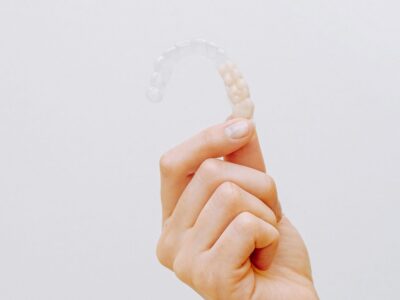
If you use nicotine pouches and you’re starting clear aligner treatment, this question comes up fast. The pouch sits under your lip. The aligners sit on your teeth. Can the two coexist, and is anyone going to notice?
It’s a fair thing to ask, and it’s the kind of question people would rather type into a search bar than raise at an appointment. Worth raising anyway, but here’s a straight answer in the meantime, from the perspective of what aligner treatment needs to work properly. Oxnard Dentistry treats it as a practical question rather than a lecture.
Quick Summary
- The general rule with clear aligners is simple: water only while the trays are in. Anything else comes out first.
- A nicotine pouch held in the mouth with aligners in place puts flavoring, sweeteners, and residue against your teeth and trays.
- Pouches can discolor aligners, and stained trays are noticeable, which defeats much of the point of choosing clear ones.
- Aligners work on wear time. Taking them out frequently through the day can slow progress.
- Tell your dentist you use them. It changes the advice you get, and nobody is there to judge you.
Why aligners have a water-only rule
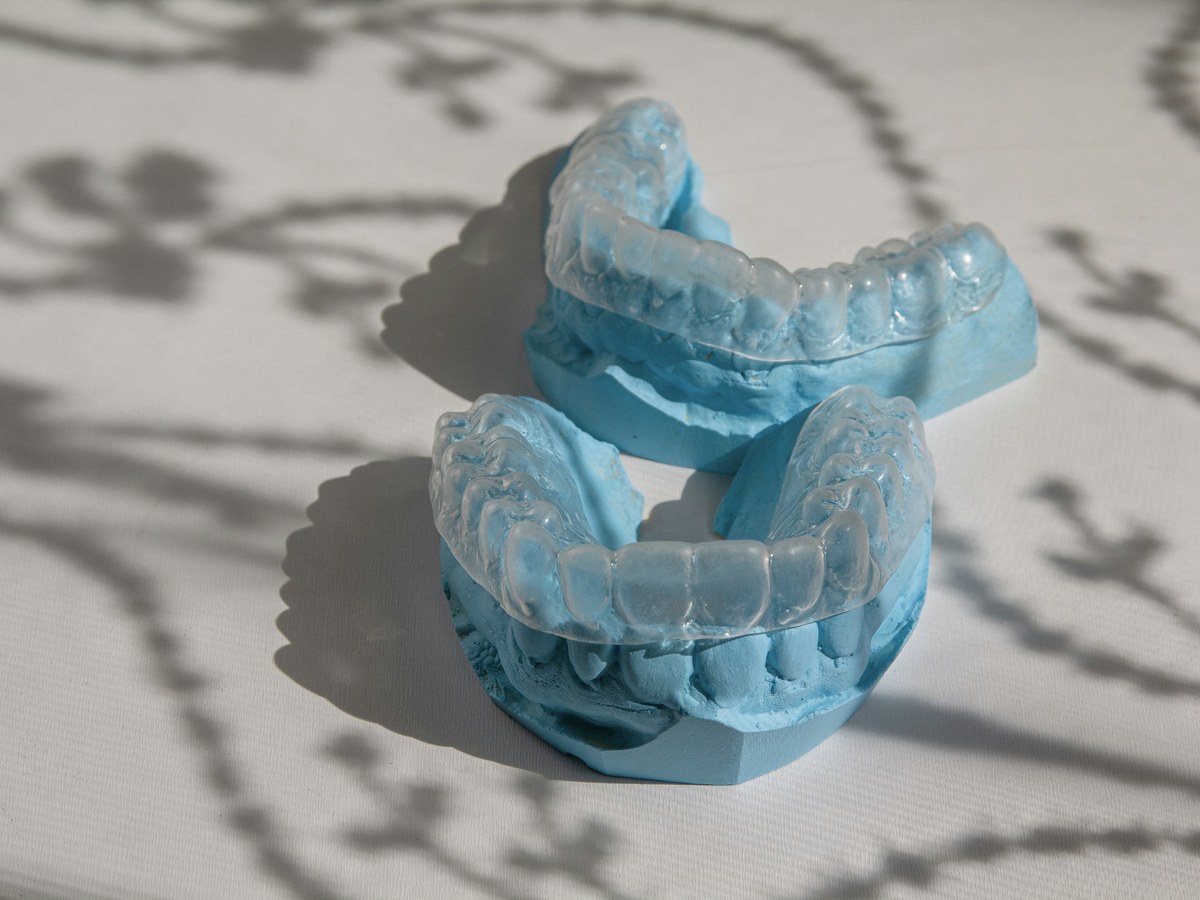
Clear aligners fit tightly against your teeth. That’s how they move them. It also means anything in your mouth while they’re in gets trapped between the plastic and your enamel.
With coffee, that means pigment sitting against your teeth for hours instead of being washed away. With anything sugary or acidic, it means that substance held against enamel with nowhere to go. Saliva normally does a lot of rinsing and buffering work, and a tray blocks it from reaching the tooth surface.
This is why the instruction is water only, and why it applies to more than just food. It’s about what ends up trapped.
Where nicotine pouches fit into that
A pouch sits between lip and gum rather than directly on the chewing surface, so people assume the aligner rule doesn’t apply. In practice it isn’t that clean.
Pouches release flavoring, sweeteners, and other contents that mix with saliva and travel around your mouth. With trays in, some of that reaches the space between plastic and tooth. Many pouches also contain sweeteners, which is worth knowing if you’re keeping them in for long stretches.
There’s a visible problem too. Aligners pick up color readily, and pouch residue can discolor them. Trays that have gone cloudy or yellow are obvious, and most people choose clear aligners specifically to avoid looking like they’re in treatment.
The broader health effects of nicotine pouches are still being studied and aren’t something to draw firm conclusions about here. What your dentist can speak to is what they see in your mouth, including any gum irritation where a pouch sits regularly.
The wear-time problem
Aligner treatment depends on wearing the trays for most of the day. The usual guidance is somewhere around twenty to twenty two hours, which leaves a fairly small window for everything else.
That window has to cover eating, drinking anything other than water, and brushing. If you’re also removing trays several times a day for pouches, the arithmetic gets difficult quickly.
Falling short on wear time doesn’t cause a dramatic failure. It usually shows up as treatment taking longer than planned, or trays not tracking properly and needing to be redone. Both are frustrating and avoidable.
What to do if you’re not planning to quit
Plenty of people aren’t, and pretending otherwise doesn’t help anyone. Some practical points:
- Take the trays out rather than leaving them in with a pouch, and count that time against your daily total.
- Rinse your mouth with water before the trays go back in.
- Clean your aligners properly and regularly, following whatever your dentist recommends for your trays.
- Try to group your pouch use into the windows when trays are already out, rather than spreading it through the day.
- Keep your dental appointments so gum tissue gets checked while you’re in treatment.
Staining is worth understanding generally if it concerns you. Our post on whether whitening will work on your teeth covers how discoloration behaves.
Just tell your dentist
The thing that actually helps is being straightforward at your appointment. A dentist who knows you use pouches can watch the relevant tissue, give you advice that fits your real routine, and set expectations about your trays.
A dentist who doesn’t know is working from an inaccurate picture, and you get generic advice that doesn’t match your life. You can see how treatment works on the Invisalign page.
Frequently Asked Questions
Can I use Zyn or other nicotine pouches with my aligners in?
The general guidance with clear aligners is water only while trays are in, so the safer approach is removing them first. Residue trapped under a tray can affect both your teeth and the appearance of the aligner.
Will nicotine pouches stain my clear aligners?
Pouch contents can discolor aligners, and trays that have picked up color are noticeable. Cleaning your trays as your dentist directs helps, though prevention works better than trying to remove staining later.
Does taking my aligners out for pouches affect my treatment?
It can, because aligners rely on being worn for most of the day. Frequent removals eat into that time and may cause treatment to take longer than planned.
Should I tell my dentist I use nicotine pouches?
Yes. It lets them monitor the gum tissue where pouches sit and give you advice that matches your actual routine rather than a general assumption.
Can I drink anything besides water with aligners in?
Water is the general rule. Other drinks can get trapped against your teeth under the tray, and pigmented or sugary ones are the most problematic.
Talk it through without the awkwardness
If you’ve been avoiding this conversation, it’s a smaller deal than it feels like. Dentists ask about habits because habits change what care makes sense, not to deliver a lecture.
Call the office at (805) 307-8731 or reach the team through the contact page. Dr. Keihani and the Oxnard Dentistry team can talk through aligner treatment realistically, including how it fits with the habits you actually have.