

How long does Invisalign take? Ask at a consultation and the answer usually comes back as a range, and the range can be wide. The honest reason is that treatment time depends on what your teeth need to do, how many hours a day the aligners are in, and whether a second round of trays is needed near the end.
This guide from Oxnard Dentistry walks through what that range typically looks like, how the months tend to unfold, how long to wear the aligners each day, and why two years isn’t unusual for some cases while others finish sooner. It’s general information. Your own timeline comes from an exam.
Quick Summary
- Oxnard Dentistry’s own site puts Invisalign treatment at anywhere from a few months to a few years, and notes that many of its Oxnard cases achieve results in 12 to 18 months. Individual timelines vary.
- Aligners are worn about 22 hours a day and, at this office, swapped for the next set every two weeks.
- How far the teeth have to move, how consistently the trays are worn, and whether refinements are needed are what move the finish date most.
- A dentist can only give you a realistic timeline after looking at your teeth.
The usual range, and why nobody can promise one number
Oxnard Dentistry’s Invisalign page describes treatment as ranging from a few months to a few years based on individual needs. The practice’s site also notes that many of its Oxnard cases achieve results in 12 to 18 months, with the caveat that duration varies from person to person.
Timelines published by other dental practices mostly fall between six and 18 months, with complex cases running to two years or more, and they don’t always agree with each other. Two of the practice pages reviewed for this article give different ranges on the same page.
The spread comes from what gets counted. Some figures include refinement trays and some don’t, and closing a small gap is a different job from correcting a bite. Treat any single number you read online, these included, as the start of a conversation with your dentist.
What the timeline tends to look like, month by month
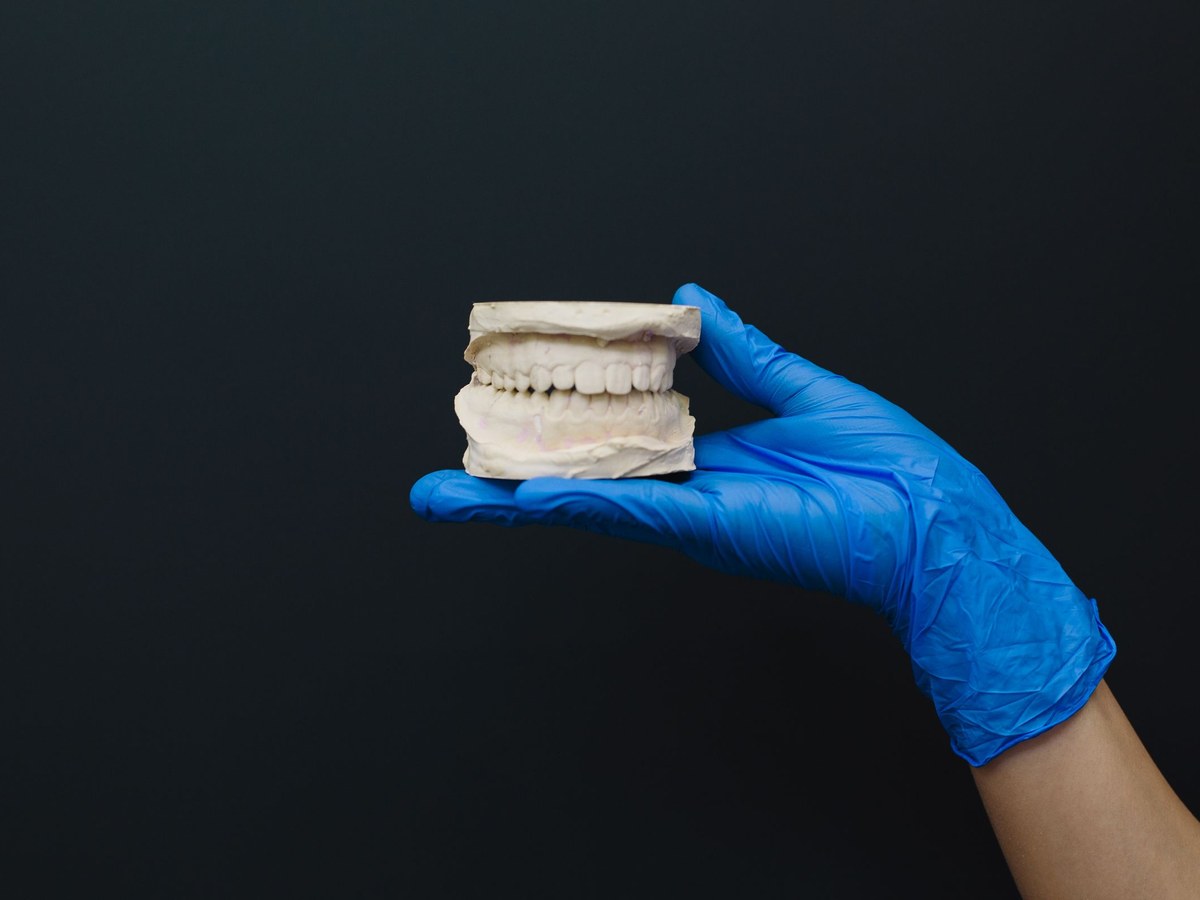
Think of what follows as the general shape of treatment. Your plan may compress or stretch any of these stages.
Before the first tray. Treatment starts with an exam. The practice’s site describes 3D planning that maps the whole treatment from start to finish before the first aligner is made, and that plan is where the first projection of your timeline comes from.
The first weeks. Each set is designed to move teeth a small amount, so a feeling of pressure with a fresh tray is common and usually settles quickly; experiences vary. This is also when wearing the trays for about 22 hours a day becomes a habit, or doesn’t.
Months two to six. At this office, trays change every two weeks, so by month six you’d typically have worked through a dozen or so sets. Mild cases may be well along by then and others are mid-journey, with short check-in visits along the way so the dentist can confirm the teeth are tracking with the plan.
The home stretch. As the last planned trays go in, the dentist compares where the teeth are with where the plan said they’d be. This is the point where refinements come up, covered below.
After the last tray. Treatment moves into the retainer phase, which has its own section further down.
Why the aligners need about 22 hours a day
Oxnard Dentistry’s Invisalign page is specific here: you’ll wear each set of aligners for about 22 hours per day, and you take them out only to eat, brush, or floss.
Aligners only move teeth while they’re in. Every hour out is an hour the plan didn’t get, and over months those hours add up to trays that no longer match the schedule. That’s a common reason a projected timeline slips.
People sometimes ask about a “30 minute rule.” There’s no magic in the number. The question behind it is how long the trays can be out in a day, and the answer comes back to the same total: aim for about 22 hours in.
Anything that keeps them out longer, from grazing between meals to nicotine pouches, eats into that time, which is why the practice has written about using Zyn with Invisalign.
Why one case takes six months and another two years
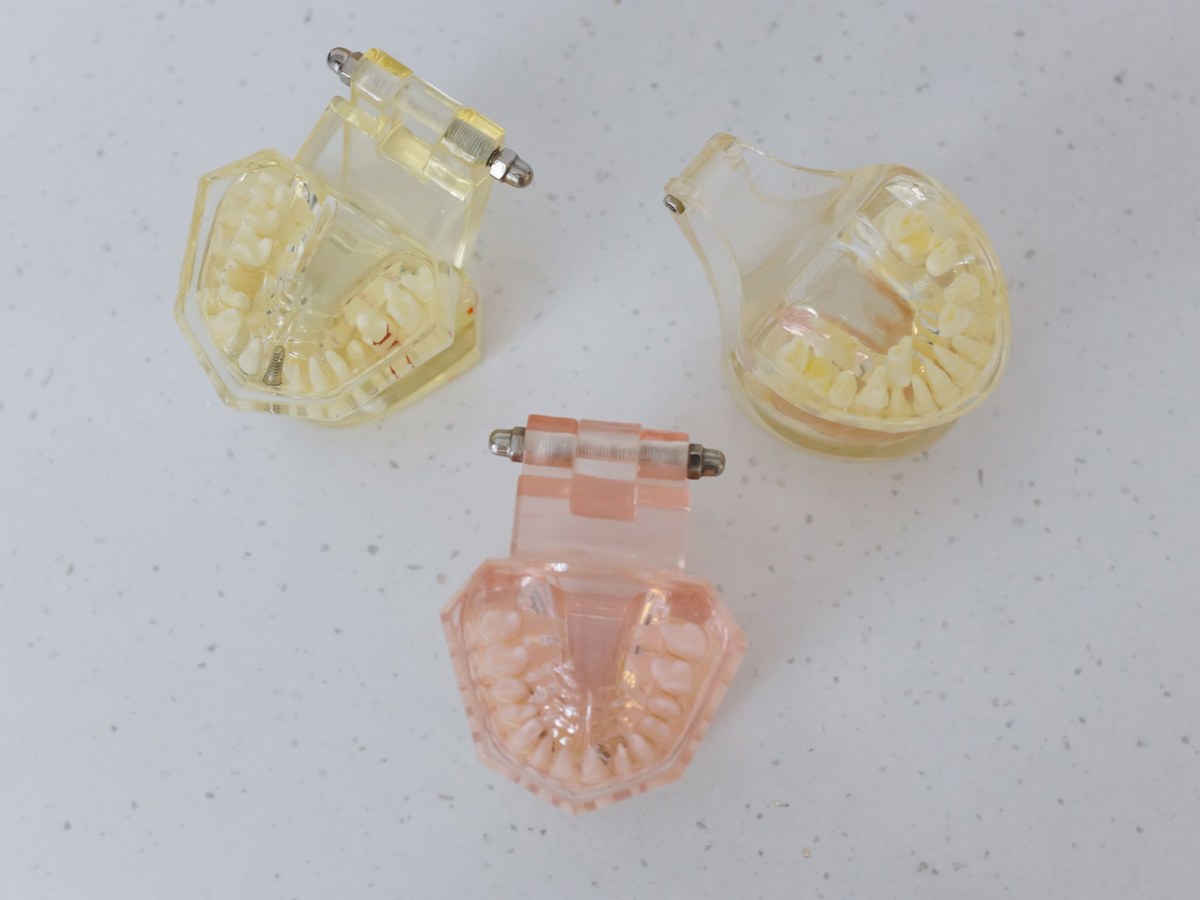
Three things move the finish date more than anything else.
- How far the teeth have to move. Closing small gaps or tidying mild crowding is a shorter job than correcting how the upper and lower teeth meet.
- How consistently the trays are worn. Hours in the mouth are the one factor in your control.
- Whether refinements are needed. An extra series of trays at the end adds time, and not every projection includes it.
So, is two years a long time for Invisalign? For a complex correction it isn’t out of the ordinary, and for mild crowding it would be unusual.
Which group you’re in is a question for the exam, so ask at the consultation what the dentist expects and what could make it run longer. Oxnard Dentistry’s Invisalign treatment page covers the kinds of issues the aligners can correct.
Refinements, the part that surprises people
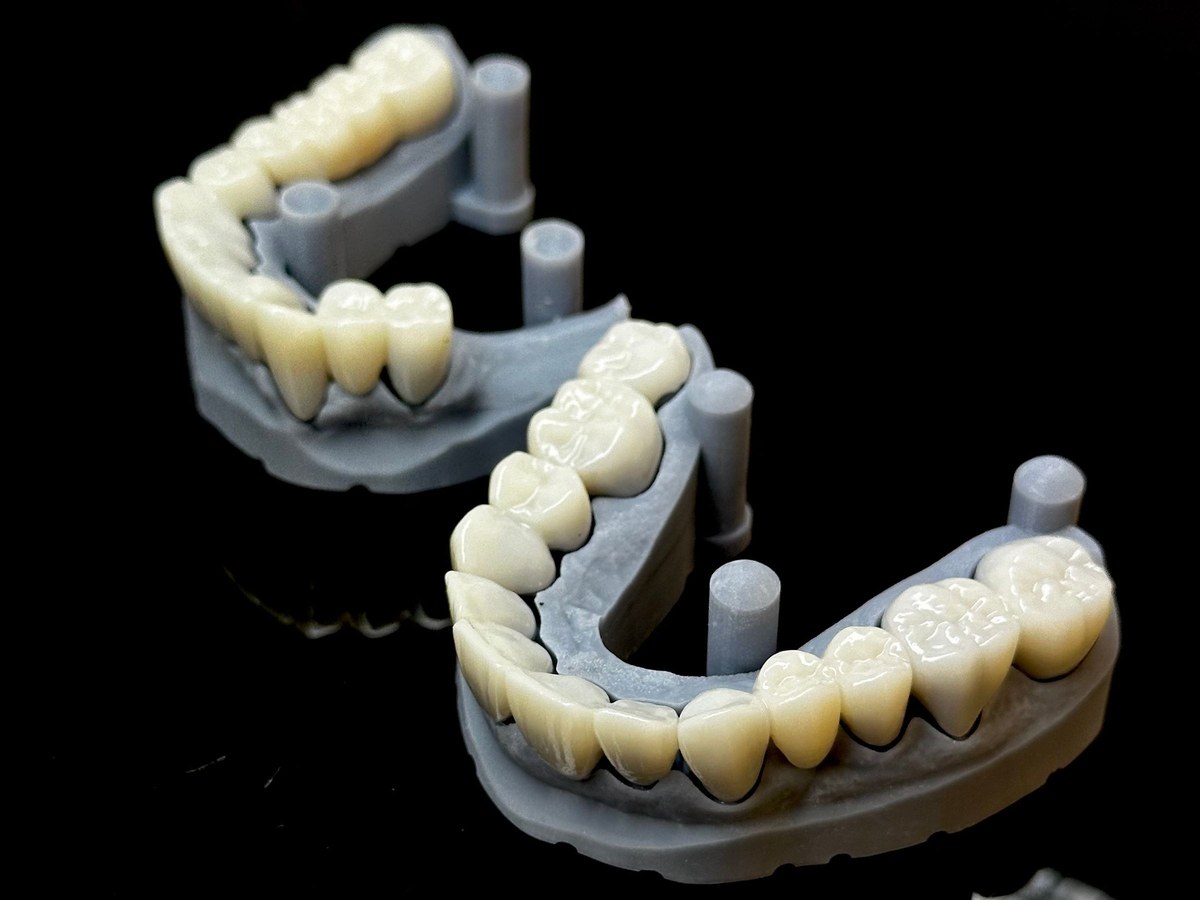
Near the end of a plan, the dentist checks the result against the digital plan. If a few teeth haven’t quite arrived, a short extra series of trays, called refinements, moves them the rest of the way.
Refinements can add time, often weeks to a few months, and they’re common enough that it’s worth asking up front whether your projected timeline includes them.
Needing refinements doesn’t mean the treatment failed. It means the mouth doesn’t always follow a computer’s schedule to the week.
Invisalign timeline next to braces
The American Dental Association’s consumer site, MouthHealthy, says most people in orthodontic treatment are in treatment from one to three years, followed by a period of wearing a retainer. That figure covers braces of all kinds, which is why it reads longer than the ranges you’ll see quoted for aligners.
Whether aligners would be quicker for you depends on the case. It’s a fair question for the consultation, since a blog can’t settle it.
After the last tray: retainers
The last aligner marks the start of the retainer phase. Teeth can drift back toward where they started, and a retainer holds them where treatment left them. How long you wear one, and whether it’s full-time at first, is set by the dentist based on your case.
What your insurance may cover
Oxnard Dentistry accepts Denti-Cal, most PPO plans, and HMOs. Whether a plan contributes toward Invisalign treatment varies, so call the office to confirm your specific plan before you count on anything. The post on whether insurance pays for cosmetic dentistry explains how plans tend to sort treatments.
The office also works with financing options. The financing page has the details, or ask the team what fits.
This article is general information from Oxnard Dentistry and is not a substitute for an exam. Dr. Keihani and the team can assess your situation at a visit.
Frequently Asked Questions
Is Invisalign painful to wear?
Many patients describe pressure rather than pain, mostly right after switching to a new set, and it usually settles quickly. Individual experiences vary, and the office wants to hear about anything that feels wrong.
What if I lose an aligner?
Call the office before you do anything else. The right move depends on where you are in the series, and the dentist will tell you which tray to wear in the meantime.
Does age change how long Invisalign takes?
It can play a part, and so does how your teeth respond, but adults of all ages go through treatment. Your exam is where that gets assessed.
Can I speed up Invisalign treatment?
The one lever you control is wear time. Keeping the trays in for about 22 hours a day keeps the plan on schedule, and anything beyond that is for the dentist to decide.
What is the 30 minute rule for Invisalign?
It’s shorthand people use for keeping the total time the trays are out each day short. The practice’s own instructions don’t use that phrase; the guidance is about 22 hours in, with the trays out only to eat, brush, and floss.
Ask what your timeline would look like
If you’re weighing Invisalign treatment, the useful next step is a consultation where the dentist can look at your teeth and talk through a realistic range for your case. Call Oxnard Dentistry at (805) 307-8731 or book through the contact page.