

Your root canal is done, the pain has settled, and then your dentist says the tooth still needs a crown. After the hard part is over, that can sound like one more appointment you didn’t plan for.
Here’s the thing: a root canal and a crown do two different jobs. One treats the inside of the tooth. The other protects what’s left of the outside. Which one your tooth needs is a question for an exam at Oxnard Dentistry, because the answer depends on which tooth it is and how much of it is still standing.
Here’s when a crown is usually recommended, when a tooth may be fine without one, and how long you can reasonably wait.
Quick Summary
- A root canal cleans and seals the inside of a tooth. It doesn’t rebuild the outer walls, and that’s where chewing strength comes from.
- Back teeth are usually crowned because they take the heaviest force and often have the least structure left.
- Some front teeth with a small opening and healthy walls may be restored with a filling instead. An exam is the only way to know.
- Waiting raises the risk of a cracked tooth or a fresh leak into the sealed canal, and a cracked root often can’t be saved.
- Timing varies by tooth. Ask your dentist for a window before you leave the root canal appointment.
Why your tooth feels fine but isn’t finished
A root canal removes inflamed or infected tissue from inside the tooth, cleans the canals, and seals them. The nerve that was sending pain signals is gone, so the tooth usually stops hurting. That relief is real, and it’s also why the next step feels unnecessary.
What the treatment can’t do is give back the tooth structure that was already lost. By the time a tooth needs a root canal, it has often been through a deep cavity, a large old filling, or a fracture. The dentist also needs an opening to reach the canals. Add all of that together and the walls that remain can be thinner than they look.
Much of that weakness comes from how much tooth was removed along the way rather than from the root canal itself. Either way, the result is the same: a tooth that handles everyday chewing less well than it used to.
When a crown is usually recommended
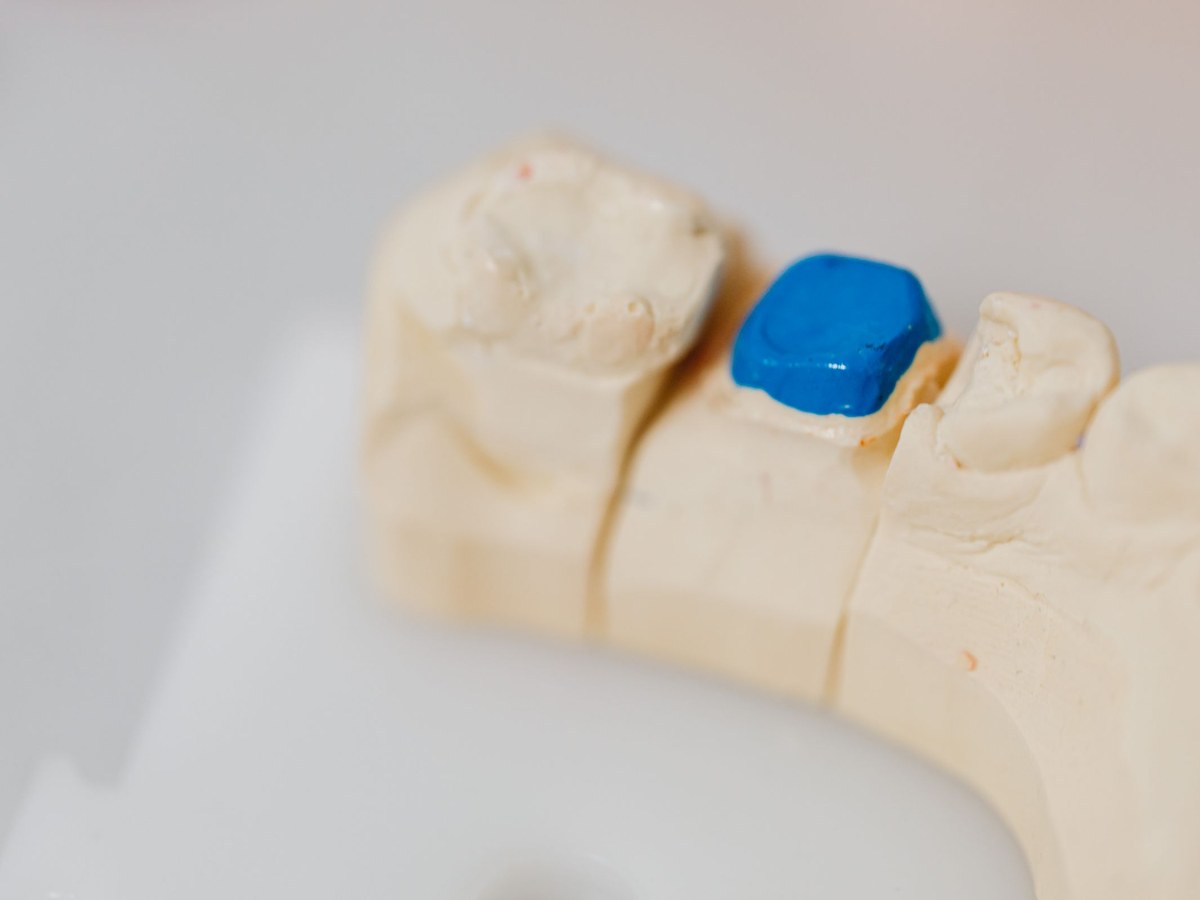
Dentists tend to recommend full coverage when the tooth has a demanding job and not much left to do it with. That usually means:
- Molars and premolars. Your back teeth do the grinding, and they absorb far more force than your front teeth.
- Heavily damaged teeth. There’s less natural wall behind a large cavity or a big old filling.
- Teeth with crack lines. Existing cracks tend to travel under pressure.
- Teeth under heavy load. If you clench or grind, that’s pressure night after night.
In those situations a dental crown wraps the tooth and spreads the force of your bite across the whole surface instead of letting it land on weakened walls. It also adds another barrier over the sealed canal.
When a tooth may not need one
Not every root canal ends with a crown. A front tooth with a small access opening and most of its natural structure intact can sometimes be restored with bonding or a filling. Front teeth take less force, and keeping more of the natural tooth counts for something.
That said, the picture changes quickly if the same tooth has a large filling, a visible crack, or a history of chipping. Your dentist weighs how much tooth is left, how your bite comes together, and the condition of the gums around it. No general rule replaces looking at the tooth.
If you put it off
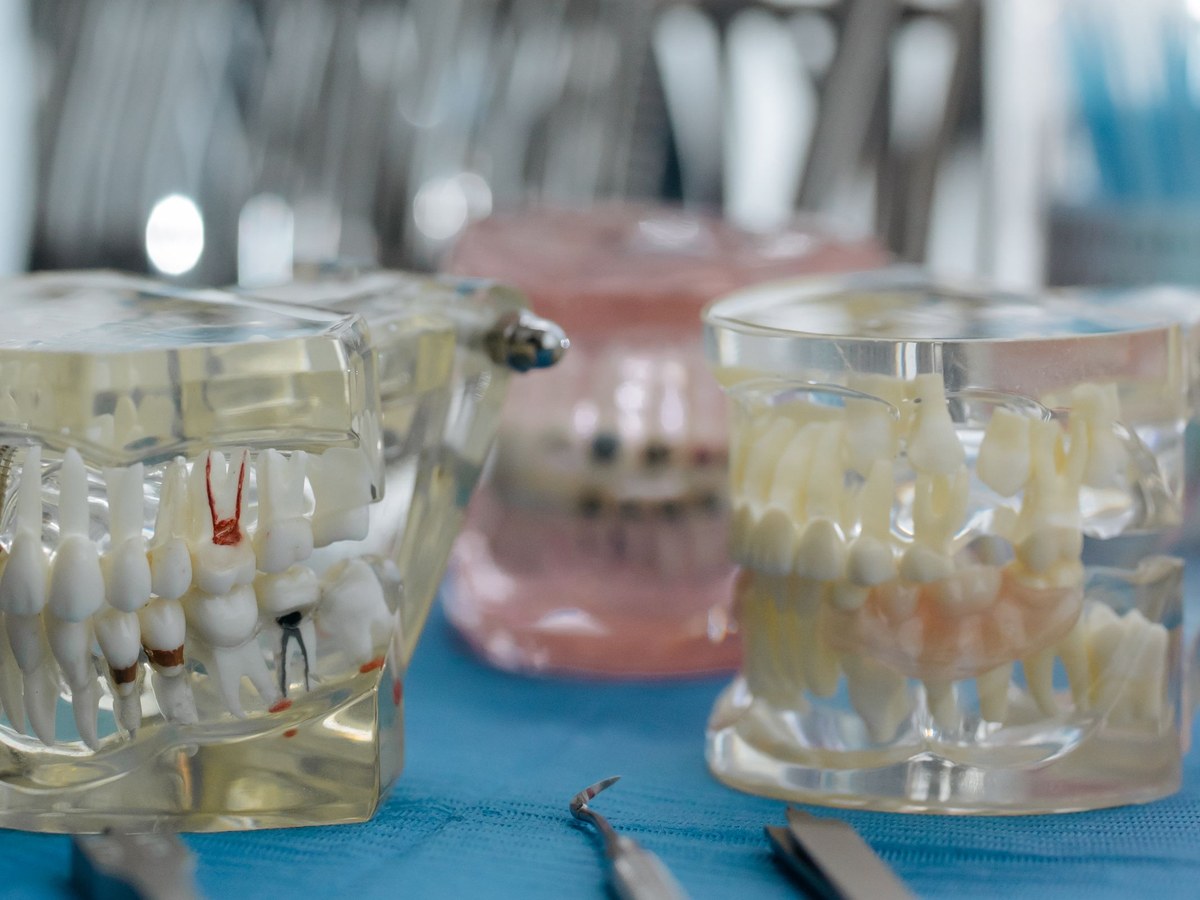
If a temporary filling was placed, it’s built for the short term. It can wear down over time, and it can leak. Two things can follow.
The first is reinfection. If saliva and bacteria work their way back into the canal that was just sealed, the treatment may need to be redone. The second is a fracture. A weakened back tooth under daily chewing force can split, and when a crack runs down into the root, the tooth often can’t be kept. At that point the conversation turns to removing it and replacing it, which is a longer road than the crown would have been. Our post on pulling a tooth versus a root canal walks through what replacing a missing tooth actually involves.
None of this means a tooth will fail the moment you delay. It means the odds move in the wrong direction the longer a temporary stays in a tooth that has to keep chewing.
How soon the crown usually follows
People often ask whether they can wait a month. There’s no single schedule. Some dentists prepare the tooth for a crown shortly after the root canal. Others prefer a short wait to see how the tooth settles, particularly if there was swelling or the tooth was tender to bite on.
Your dentist should give you a window for your tooth, and it’s worth asking for it before you leave. Dentists commonly suggest chewing on the other side and staying off hard and sticky foods while a temporary is in place. Ask what applies to your tooth.
What the crown appointment involves
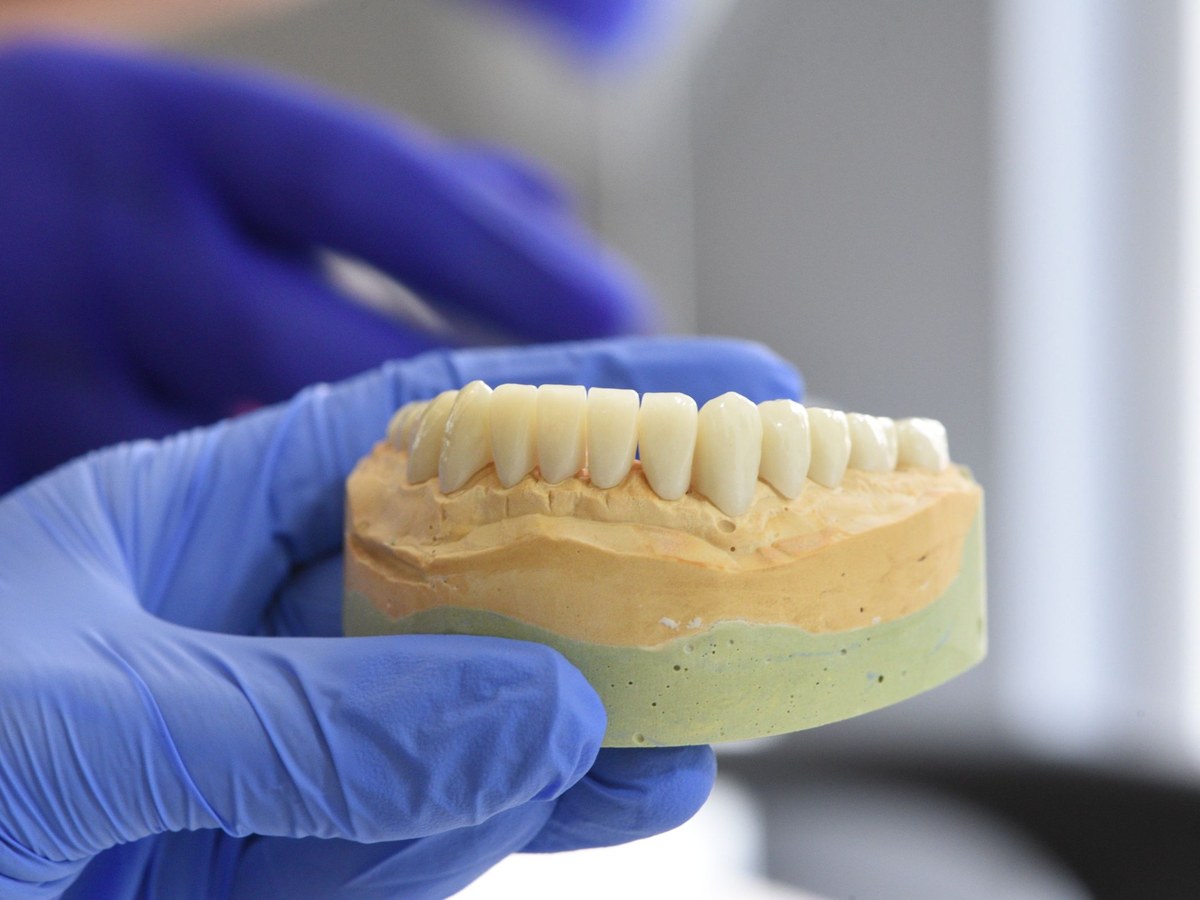
The tooth is usually numbed first, then shaped so the crown fits over it. Some teeth need a build up underneath if too little structure remains to hold a crown on its own. The dentist takes an impression or a digital scan, fits a temporary, and the finished crown goes on at a later visit once it comes back from the lab.
Like any dental work, a crown involves trade offs. Shaping the tooth removes some structure, and no restoration lasts forever. Your dentist can talk through what that means for your tooth.
Many patients tolerate the appointment well, and individual experiences vary. Mild sensitivity around the tooth and gum afterwards is common for a short while. Tell your dentist if your bite feels high when you tap your teeth together, because a crown that sits proud is usually straightforward to adjust and uncomfortable to live with.
What your insurance may cover
Plenty of people put the crown off because they’re not sure where they stand with their benefits. The office accepts Denti-Cal and most PPO and HMO plans. Call the office to confirm your specific plan before you book anything. The practice also works with financing options you can ask the team about.
It’s worth sorting out early. Keeping a tooth you’ve already had treated is usually less involved than replacing one that cracked.
Frequently Asked Questions
Is it worth getting a crown after a root canal?
For many back teeth it is recommended, because the crown protects a tooth that has lost structure and now takes heavy chewing force. Which teeth need one is decided at an exam.
How long can a root canal last without a crown?
There’s no set figure, and it varies with the tooth and your bite. A temporary filling is only built for the short term, so the risk of leaking or fracture climbs the longer it stays in place.
Can I wait a month to get the crown?
Sometimes, though it depends on the tooth and what your dentist found. Ask for a specific window rather than assuming, and call sooner if the temporary feels rough or loose, or if it comes out.
Does getting a crown after a root canal hurt?
The tooth is usually numbed for the appointment, and many patients find it comparable to having a filling done. Mild sensitivity afterwards is common, and individual experiences vary.
Do front teeth always need a crown after a root canal?
No. A front tooth with a small opening and solid remaining walls may do well with bonding or a filling, while one with a large restoration or a crack is more likely to need full coverage.
What happens if the tooth cracks before the crown goes on?
It depends where the crack runs. A crack in the upper part of the tooth can sometimes still be restored, while one that extends into the root usually means the tooth can’t be kept.
Get the tooth checked
If you’ve had a root canal and the crown is still on your list, it’s worth getting the tooth looked at rather than waiting for it to tell you something is wrong. The team can look at how much structure is left and talk through what the tooth needs.
Call Oxnard Dentistry at (805) 307-8731 or use the contact page to book a visit.