

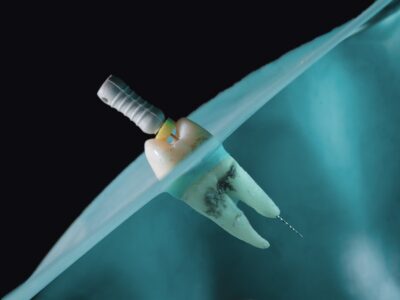
A tooth is badly infected. Your dentist explains that a root canal could save it, and somewhere in the back of your mind a thought forms: wouldn’t it just be cheaper to have the thing pulled?
It’s an honest question and a common one. The answer needs a wider frame than the price of the appointment, because pulling a tooth rarely ends the story. What you spend afterward, and what happens to the space, usually matters more than the difference on the day. Oxnard Dentistry has this conversation regularly, so here’s the full picture.
Quick Summary
- An extraction is usually less expensive on the day than a root canal. That’s the part most comparisons stop at.
- A pulled tooth generally needs replacing, and replacement is often the larger expense over time.
- Leaving a gap has consequences of its own, including neighboring teeth shifting and bone changes in the jaw.
- Saving a natural tooth is usually the clinical preference where the tooth can be saved. Cost shouldn’t be the only input.
- Ask for the full treatment plan in writing, including what comes after, so you’re comparing the whole path rather than one visit.
Why the on-the-day comparison misleads people
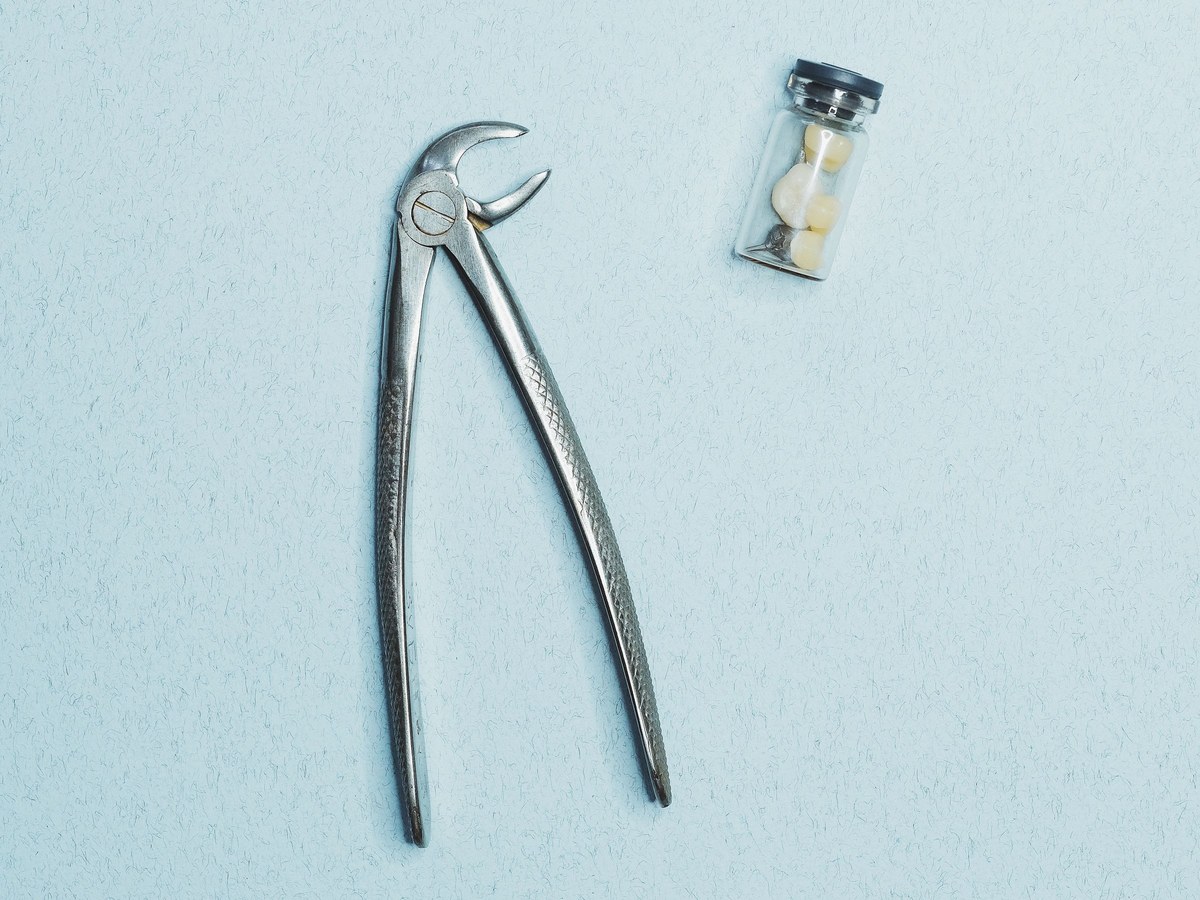
Comparing an extraction to a root canal side by side treats them as two ways of doing the same thing. They aren’t. One keeps your tooth. The other removes it and leaves you with a decision to make.
A root canal treats the infected tissue inside the tooth so the tooth itself can stay. It’s usually followed by a crown, since a treated tooth is more brittle and needs protecting. So the fair comparison is root canal plus crown on one side, and extraction plus whatever replaces the tooth on the other.
Once you line it up that way, the gap narrows considerably. In plenty of cases the extraction path ends up being the more expensive one by the time it’s finished.
What happens to the space
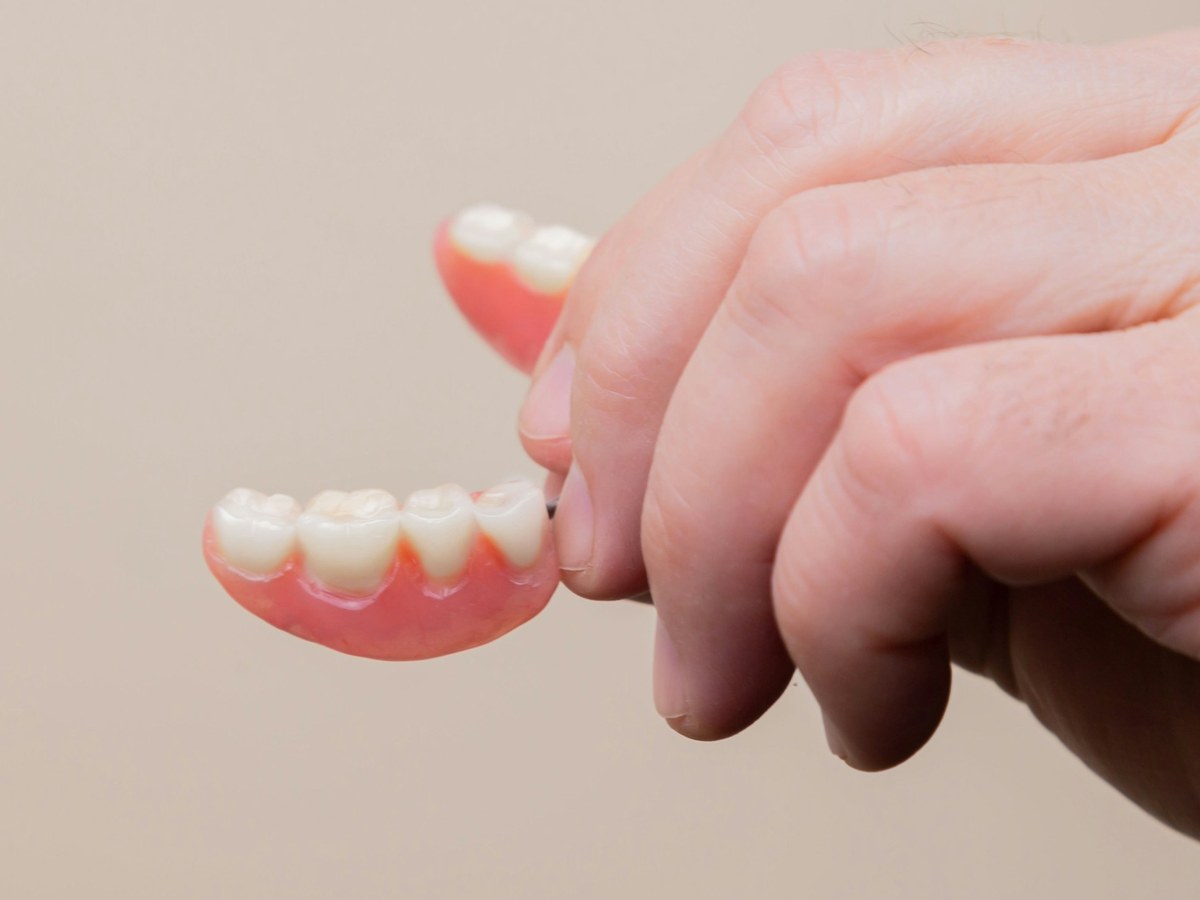
This is the part people don’t picture. Teeth hold each other in position. Take one out and the ones beside it can drift over time, and the tooth opposite it can move as well. That can affect your bite and make cleaning harder in the places where teeth have shifted.
The jawbone changes too. Bone around a tooth root is maintained partly by the tooth being used. When the root is gone, that area of bone tends to change over time, which is one reason implants get more complicated the longer a gap is left.
None of this happens overnight and it doesn’t happen identically for everyone. It’s just worth knowing that a gap isn’t a stable end state.
When extraction genuinely is the right call
Sometimes a tooth can’t be saved, and no amount of wishing changes that. A tooth cracked below the gum line, one with too little structure left to restore, or one where infection has damaged too much of the surrounding bone may be past the point where a root canal would help.
There are also health reasons why a dentist might recommend removal, and crowding cases where a tooth is taken out as part of an orthodontic plan. In those situations extraction isn’t a shortcut. It’s the appropriate treatment.
What matters is that the decision comes from an examination rather than from a price comparison. Our post on what recovery after an extraction involves covers the healing side if that’s the road you end up on.
The replacement question
If a tooth comes out, you generally have three paths: replace it with an implant, bridge the gap using the neighboring teeth, or leave it. Each has trade-offs, and each has a different cost profile and timeline.
Leaving it is the only free option, and it’s the one that carries the drift and bone changes described above. For a back molar that nobody sees, some people accept that trade knowingly. That’s a reasonable adult decision as long as it’s an informed one rather than a surprise.
The important thing is to ask about replacement before the extraction, not after. Finding out what comes next while you still have a choice is much better than finding out afterward.
Making it affordable

If money is the reason you’re considering extraction, say so plainly at your appointment. Dentists hear this constantly and it changes the conversation productively. There may be options you don’t know about.
Ask whether treatment can be staged over time. Ask what happens if you wait a few months. Ask whether the office can help you check what your plan covers, since coverage varies and only your plan can tell you. The office works with financing options like CareCredit and Lending Club, and the financing page explains how that side works.
What you shouldn’t do is choose extraction purely because it’s the cheaper line item today, without understanding the arc. The root canal page covers what the treatment actually involves, which is usually less dramatic than its reputation suggests.
Frequently Asked Questions
Is pulling a tooth cheaper than a root canal?
An extraction is typically less expensive on the day of treatment. Once you factor in replacing the missing tooth, the total often ends up similar or higher, so it’s worth comparing the full treatment path.
Can I just have the tooth pulled and not replace it?
Some people do, particularly with back teeth. Leaving a gap can allow neighboring teeth to shift and can lead to bone changes over time, so it’s a decision worth making with your dentist rather than by default.
Does a root canal always need a crown afterward?
A crown is commonly recommended because a treated tooth can become more brittle and benefits from protection. Whether it’s needed in your case is something your dentist determines based on the tooth.
How do I know if my tooth can even be saved?
That takes an exam and usually X-rays to assess how much healthy structure remains and what the surrounding bone looks like. Symptoms alone can’t tell you, since similar pain can come from very different situations.
Is a root canal as painful as people say?
The procedure is done with anesthetic, and many patients find it more comfortable than they expected, though experiences vary. Some soreness afterward is common and your dentist can tell you what to expect.
Get the full picture before you decide
The right question isn’t which procedure costs less this week. It’s what your mouth is going to need over the next several years, and which path gets you there sensibly.
Call the office at (805) 307-8731 or reach out through the contact page. Dr. Keihani and the Oxnard Dentistry team can assess the tooth, lay out both paths including what follows each one, and talk openly about making the treatment workable.