

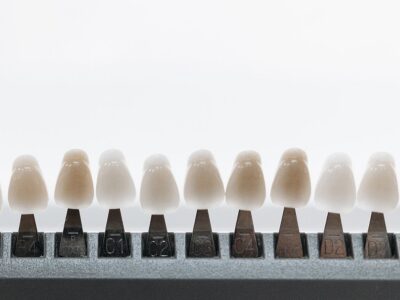
You finish a whitening treatment, look in the mirror, and like what you see. The next thought is usually practical: how long does this actually last before I’m back where I started?
There’s a real answer, though it’s a range rather than a number. Whitening results typically hold for several months to a couple of years, and where you land inside that range depends more on your daily habits than on the treatment itself. The team at Oxnard Dentistry gets this question constantly, so here’s what actually drives the timeline.
Quick Summary
- Whitening results typically last somewhere between several months and a couple of years. Individual results vary quite a bit.
- What you drink is usually the biggest factor. Coffee, tea, red wine, and dark sodas all put color back onto teeth.
- Professional in-office treatment often holds longer than over-the-counter strips, though that depends on the person and how they maintain it.
- Touch-ups can extend results. Your dentist can tell you what pace makes sense for your teeth.
- Whitening works on natural enamel. Crowns, veneers, and fillings don’t change color with it.
Why nobody can give you an exact date
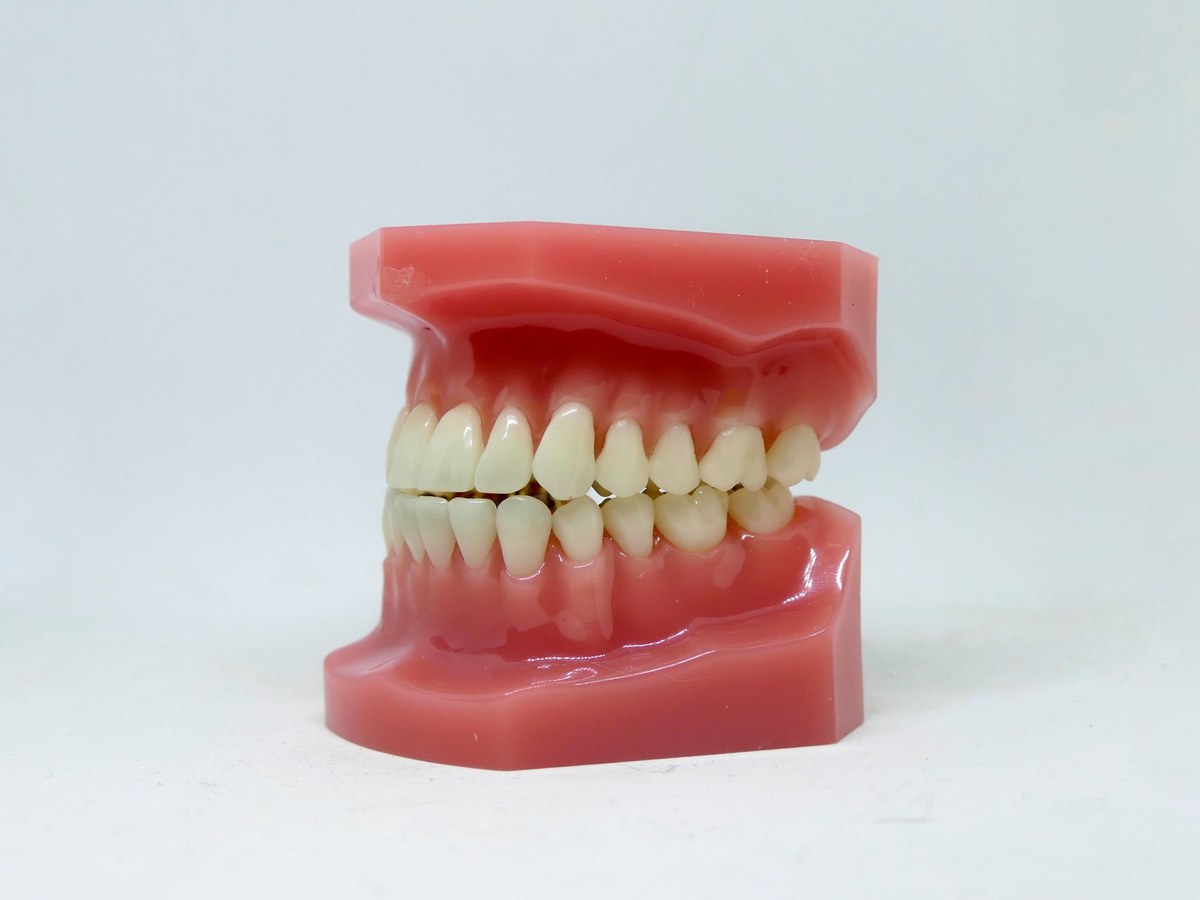
Teeth pick up color from the outside in. Every day, what passes over your enamel leaves a little pigment behind. Whitening lifts that accumulated color, and then the same process starts again from a cleaner baseline.
So the honest framing is that whitening doesn’t stop working on a particular day. It fades gradually, and how fast depends on what you put in front of it. Two people can have the same treatment on the same afternoon and be in noticeably different places a year later.
Enamel matters too. Some people have naturally more porous enamel that takes on stain faster. That’s not something you control, and it’s part of why your dentist may give you a different answer than your friend got.
What speeds up the fade
What you drink
Coffee, black tea, red wine, and dark colas are the usual suspects. So are some fruit juices and anything with strong artificial coloring. If a drink would stain a white shirt, it can do something similar to enamel over time.
You don’t have to give any of it up. A few small habits help more than people expect: drinking through a straw where it makes sense, rinsing with water afterward, and not letting a cup sit on your desk for two hours while you sip.
Smoking and nicotine products
Tobacco stains teeth, and the discoloration tends to come back quickly after whitening. Nicotine pouches and similar products can also leave color behind depending on the product and how often it’s used. If you use any of these, it’s worth mentioning at your visit so your expectations are set realistically.
How well you keep up with the basics
Brushing, flossing, and regular cleanings do more for whitening longevity than most whitening products do. Surface stain that gets removed at a cleaning is stain that isn’t building up. People who keep their regular appointments generally hold their results longer.
Does professional whitening last longer than the drugstore version?
Often, yes, though it’s worth understanding why. Professional treatment usually uses a stronger agent applied under supervision, which tends to produce a bigger change to start with. A bigger starting change takes longer to fade back to where you began.
Custom trays from a dental office fall somewhere in between. They’re used at home, but they fit your teeth properly, so the gel sits where it’s supposed to instead of leaking onto your gums.
Over-the-counter strips can work for mild surface staining. They’re generally milder, so the change is smaller and may not hold as long. None of these are wrong choices. They’re different tools, and which one suits you depends on where you’re starting from. Our post on whether whitening will work for your teeth covers that side of the question in more detail.
Making it last

Touch-ups are the main tool. If you have custom trays, a short refresh now and then can hold your result without repeating the full treatment. Your dentist can tell you how often makes sense, since doing it too frequently can irritate teeth and gums.
The first day or two after treatment is when enamel is most receptive to picking up new color. Going easy on deeply colored food and drink during that window is a small effort with a decent payoff.
Beyond that, it’s the ordinary things. Keep up your cleanings, brush and floss properly, and rinse after the drinks you know are hard on teeth. You can see what the office offers on the teeth whitening page.
When whitening isn’t the right tool
Whitening changes natural tooth structure. It does not change the color of crowns, veneers, bonding, or fillings. If you have dental work in front, whitening the teeth around it can leave things looking mismatched, which is worth planning for in advance.
Some discoloration also comes from inside the tooth rather than the surface, from an old injury or certain medications taken in childhood. That kind of staining generally responds differently, and your dentist may suggest looking at other cosmetic options instead.
An exam sorts this out quickly. It’s a much better use of your money than whitening something that was never going to lighten.
Frequently Asked Questions
How long do professional whitening results usually last?
Results commonly hold for several months up to a couple of years. The range is wide because habits, enamel, and maintenance all affect it, so your dentist can give you a better estimate after seeing your teeth.
Will drinking coffee ruin my whitening?
Coffee can shorten how long results hold, though it doesn’t undo them overnight. Rinsing with water afterward and keeping up with cleanings both help slow the fade.
How often can I safely do touch-ups?
That depends on the product and your teeth, and doing it too often may cause sensitivity or gum irritation. Ask your dentist what pace is reasonable for your situation rather than following the box.
Does whitening work on crowns and veneers?
No. Whitening changes natural enamel and does not lighten crowns, veneers, bonding, or fillings. If you have visible dental work, plan the sequence with your dentist first.
Is tooth sensitivity after whitening normal?
Some people experience temporary sensitivity after treatment, and it often settles within a few days. If it lingers or feels severe, contact the office so it can be looked at.
Ask the team what to expect
The most useful thing you can do before whitening is find out what your teeth are likely to do, rather than what an ad says they’ll do. That takes one conversation.
Call the office at (805) 307-8731, or get in touch through the contact page. Dr. Keihani and the Oxnard Dentistry team can look at your teeth, talk through the options, and give you a realistic picture of how long results are likely to hold.