

Sudden tooth sensitivity has a cause, and it’s often one you can narrow down before you reach the dentist’s chair. The sharp, short pain from something cold, sweet or hot means a layer meant to shield the inside of the tooth has been breached, and the useful question is what changed.
This guide from Oxnard Dentistry walks through the recent changes that commonly explain it, what it means when one tooth is affected versus all of them, the causes a dentist checks for, and the signs that say book an exam now. It’s general information. An exam is the only way to know what’s behind your sensitivity.
Quick Summary
- Sensitivity usually comes from a tooth’s protective layers wearing down or pulling back, which lets cold, heat and sweetness reach the nerve more easily.
- When it starts suddenly, look first at what changed in the last few weeks: whitening, a new filling or crown, a new toothbrush or harder brushing, or stress and clenching.
- One tooth tends to point toward decay, a crack or a worn filling. Many teeth at once tend to point toward enamel wear, gum recession, grinding or whitening. An exam is the only way to know.
- Pain that lingers or throbs, swelling, fever, or pain when you bite are reasons to be seen promptly.
What “sensitive” means inside the tooth
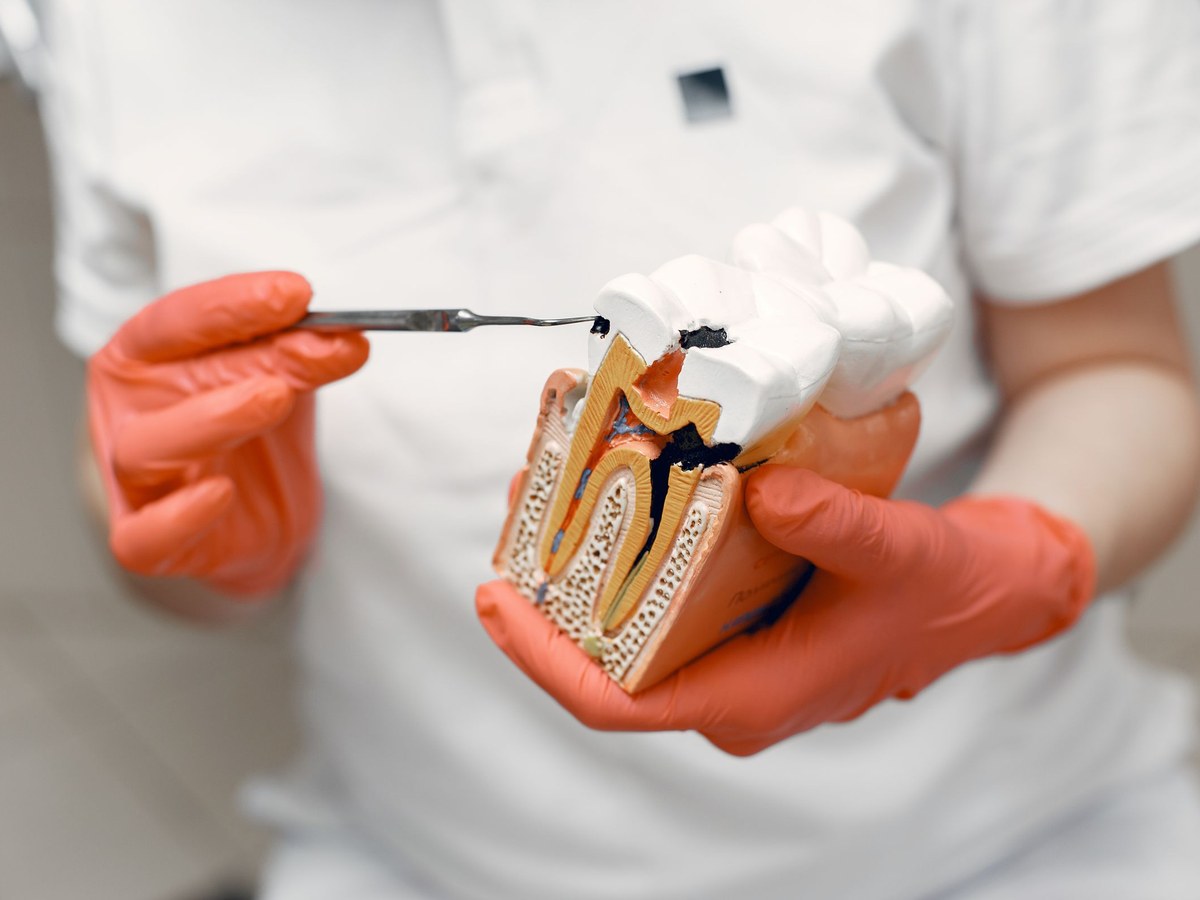
The American Dental Association’s sensitive teeth page lists the possible causes: tooth decay, fractured teeth, worn fillings, gum disease, worn tooth enamel and exposed tooth roots. What those have in common is that a layer meant to shield the inside of the tooth has been worn through or pulled back, so temperature and sweetness reach the nerve more easily.
That’s why the sensation is sharp and short. It fades when the trigger goes, which is also what separates ordinary sensitivity from the warning signs further down.
Start with what changed in the last few weeks
Sudden is the clue. Sensitivity that appears over a few days usually tracks back to something recent, so run through this list before you assume the worst.
- Whitening. The ADA’s review of whitening says temporary tooth sensitivity and gum irritation are the most common side effects, that the risk applies to all forms of bleaching, and that the sensitivity usually resolves within days of finishing. Up to two-thirds of users notice it to some degree. The practice’s post on how long teeth whitening lasts covers the sensitivity question too.
- A new filling or crown. Teeth can be touchy for a while after dental work, and a bite that feels slightly high can keep a tooth sore. Tell the office if it lasts; a small adjustment often settles it.
- A new brush or harder brushing. Scrubbing with a hard brush can wear enamel and push gums back, which exposes the root. A soft brush and lighter pressure are the usual first fix.
- Stress, clenching and grinding. The ADA notes that grinding can leave chipped or cracked teeth and worn, damaged spots along the edges of teeth, and that a dentist may recommend a night guard. Worn or cracked spots expose the sensitive layer.
If one of these fits, mention it when you book. It makes the exam shorter and the answer quicker.
One tooth or all of them? That narrows it
A single tooth that suddenly reacts tends to point toward something local: decay, a crack, a worn filling or a restoration that’s starting to fail. Dentists tend to put decay high on the list when sensitivity is confined to one tooth.
Many teeth reacting at once tends to point toward something general: enamel wear, gum recession, grinding or a recent whitening course.
Either pattern is a reason for an exam. The difference is what the dentist will look at first.
The causes a dentist checks for
The ADA’s list is short: tooth decay, fractured teeth, worn fillings, gum disease, worn tooth enamel and exposed tooth roots. Gum disease belongs on it because, as the National Institute of Dental and Craniofacial Research puts it, it’s “an infection that causes inflammation of the tissues that hold your teeth in place,” and gums that pull away leave roots bare. Oxnard Dentistry’s periodontics page describes how the practice treats it.
People also ask whether an illness or a vitamin deficiency could be behind it. The honest answer is that the common causes are about the teeth and gums themselves, and an exam is the only way to know what’s behind yours.
Signs it’s more than sensitivity
Sensitivity is a short, sharp reaction that fades when the trigger goes. These are different, and they’re reasons to be seen promptly: pain that lingers or throbs after the trigger is gone, swelling in the gum or face, a fever or a bad taste, and pain when you bite down.
Severe facial swelling with fever warrants urgent medical care. For the rest, call the office; same-day appointments are often available for emergencies, so call first.
The practice’s emergency dental care guide covers what counts as an emergency.
Oxnard Dentistry’s root canal page lists sensitivity to hot or cold among the symptoms that can mean a tooth needs a root canal. It’s one possible cause among several, which is why the exam matters.
What can help, and what to leave to the exam
For sensitivity itself, the ADA describes what a dentist may suggest once the cause is known: a desensitizing toothpaste, which in the ADA’s words “usually requires several applications before the sensitivity is reduced”; an in-office fluoride gel to strengthen enamel; a crown, inlay or bonding where a flaw or decay is the cause; a gum graft where root surface has been lost; and, for sensitivity that’s severe and persistent and can’t be treated any other way, a root canal.
What you can do today is modest. Switch to a soft brush, ease off the pressure, pause any whitening, and avoid the trigger foods until you’ve been seen. Home remedies you’ll find online can’t tell you the cause.
Doses and medications are a conversation for the exam or your pharmacist, never a blog.
What your insurance may cover
An exam for sensitivity is a routine visit. Oxnard Dentistry accepts Denti-Cal, most PPO plans, and HMOs; what any plan contributes varies, so call the office to confirm your specific plan. The office also works with financing options, with details on the financing page.
This article is general information from Oxnard Dentistry and is not a substitute for an exam. Dr. Keihani and the team can assess your situation at a visit.
Frequently Asked Questions
Can tooth sensitivity be temporary?
Yes. The ADA notes that sensitivity after whitening is typically mild and short-lived, and teeth can be touchy for a while after dental work. Sensitivity that came on suddenly and stays deserves an exam.
Does fluoride help with sensitivity?
It can. The ADA describes an in-office fluoride gel that “strengthens tooth enamel and reduces the transmission of sensations.” Your dentist decides whether it fits your case.
Could sudden sensitivity mean a cavity?
It can, especially when one tooth is affected, and decay is one of the ADA’s listed causes. An exam is how it gets confirmed or ruled out.
Can stress cause tooth sensitivity?
Indirectly. Stress is a common driver of clenching and grinding, which can wear or crack teeth, and worn or cracked spots expose the sensitive layer. A night guard is one thing a dentist may recommend.
Why did my tooth sensitivity go away?
Temporary causes, like whitening or recent dental work, settle on their own. Sensitivity that fades isn’t proof the cause is gone, so if it was sudden or one-sided, have it looked at anyway.
Have the tooth looked at while it’s easy to check
A sensitive tooth is easiest to sort out early. Call Oxnard Dentistry at (805) 307-8731 or book through the contact page.