

Veneers get called permanent so often that the word has stopped meaning much. People use it to mean the veneer lasts forever, and they also use it to mean there is no going back. Only one of those is true.
That difference matters before you book anything, because it changes what you are agreeing to.
This guide from Oxnard Dentistry works through what a veneer is, what gets removed to fit one, how long one lasts, and what happens underneath.
Quick Summary
- The treatment cannot be undone. The American Dental Association puts it plainly: treatment is not reversible because tooth enamel is removed to place a veneer.
- The veneer itself is not forever. The ADA says one may chip, crack, wear down or loosen over time and need re-bonding, repair or replacement.
- So the honest answer is no to permanent and no to reversible, at the same time.
- Decay or gum disease gets treated first. Placing veneers over unhealthy teeth may worsen existing dental problems, according to the ADA.
- If you grind your teeth or have a deep overbite, the ADA says veneers may not be a good choice.
The short answer, and why it sounds contradictory
A veneer is not permanent. The decision to get one is.
The American Dental Association describes veneers as custom-made coverings for your teeth, and notes they cover only the front surface of a tooth rather than the whole tooth. The shell on the front can be replaced. The enamel taken off to make room for it cannot.
Once you understand that, most of the confusion clears up. You are not choosing something forever. You are choosing something you will keep maintaining.
What gets removed, and why that part cannot be undone
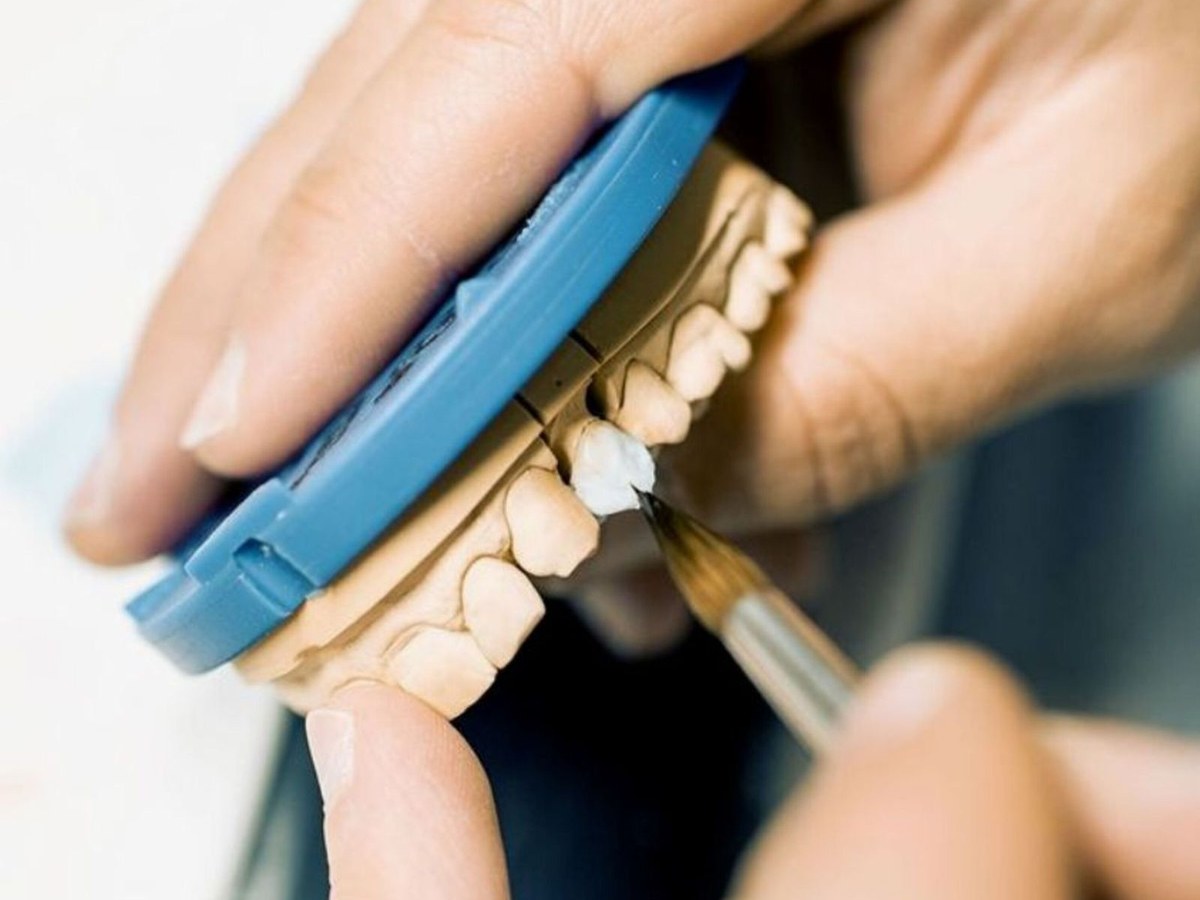
A small amount of enamel comes off. The ADA describes the step directly: the dentist prepares the tooth for bonding by removing a small amount of enamel from the front and sides.
Enamel does not grow back. That single fact is what makes the treatment one-way, and it is the reason the ADA says to think it through with a dentist beforehand rather than after.
How much comes off depends on the type. The ADA says composite veneers may need less enamel removed and fewer visits than porcelain, though they are easier to repair and less resistant to staining and wear.
How long a veneer actually lasts
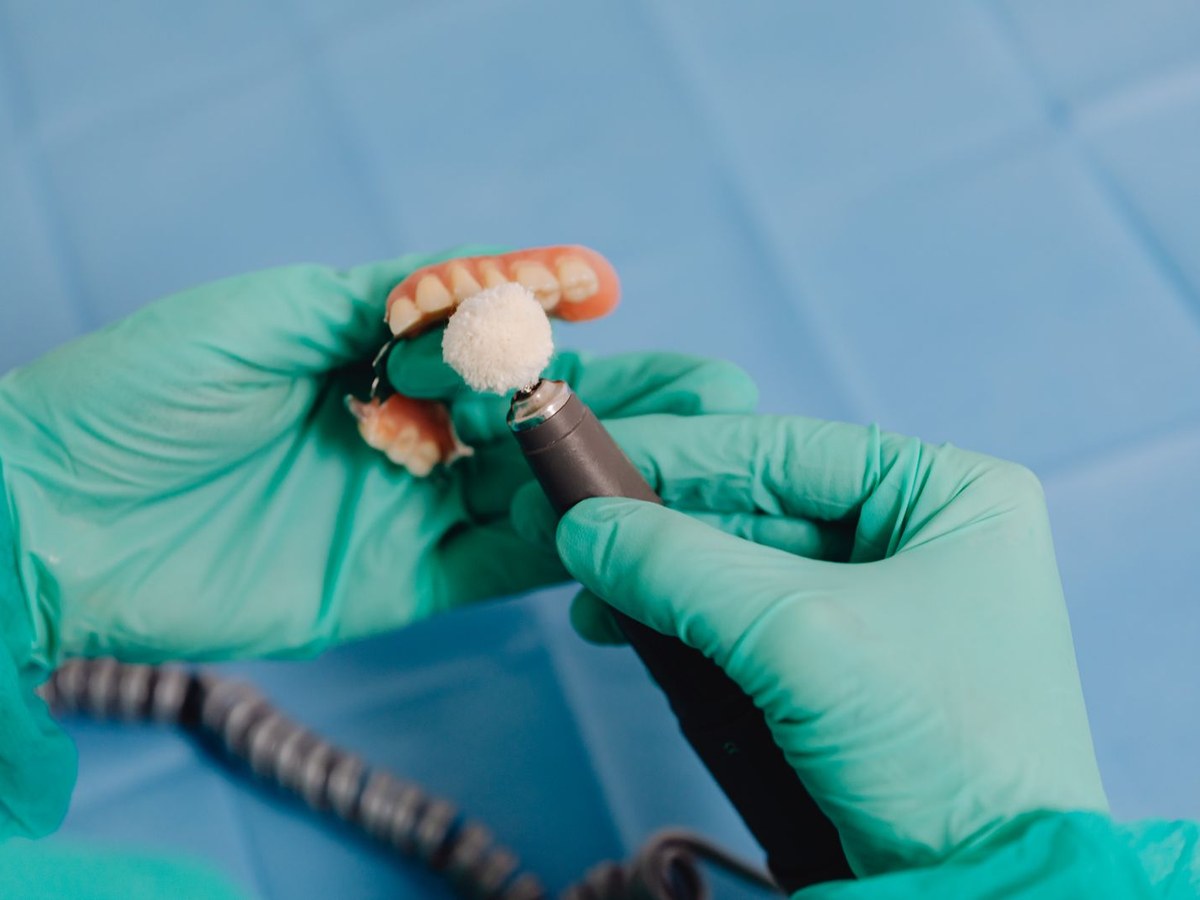
Longer than people expect, and not forever.
The ADA calls porcelain veneers strong, long-lasting and natural-looking, and in the same breath says a veneer may chip, crack, wear down or loosen over time, which means a dentist re-bonds, repairs or replaces it.
You will see confident numbers online. We are not going to add one, because the ADA does not publish a figure and the honest answer depends on the material, your bite, and whether you grind.
The useful way to think about it is maintenance rather than expiry. A veneer is a restoration, and restorations get looked after and eventually renewed, the same way whitening results fade on their own timeline.
Can you go back to your natural teeth
Not to the teeth you had before. That is the part worth sitting with.
Because enamel was removed, a prepared tooth is not left bare if a veneer comes off or is retired. It needs something on it, whether that is a new veneer or another restoration.
People sometimes read “removable” as “reversible”. A veneer can be taken off. The tooth underneath does not return to its original state.
Do teeth rot under veneers
This is the question people are often too embarrassed to ask, and it has a clear answer.
A veneer does not cause decay by itself. What causes trouble is putting one over a problem that was already there. The ADA is direct about it: your dentist must first treat any dental issues you have, like decay or gum disease, and placing veneers over unhealthy teeth may worsen existing dental problems.
So the order matters more than the veneer. Decay gets found and treated first, which is what an exam for a suspected cavity is for, and gum problems get settled before cosmetic work, which is covered in our guide on whether gum disease can be reversed.
After that, the teeth under veneers are looked after the way any teeth are: brushing, cleaning between them, and regular checkups.
Who veneers suit, and who they may not
The ADA names two situations where veneers may not be a good choice: if you clench or grind your teeth, or if you have a deep overbite.
Neither rules you out on its own. Both are reasons to raise it early rather than discover it later, because the force involved is what chips and loosens a veneer.
Candidacy is settled at an exam, not online. That is also where the alternatives get discussed, since other cosmetic options may suit the result you are after.
One thing to check that most people never think of
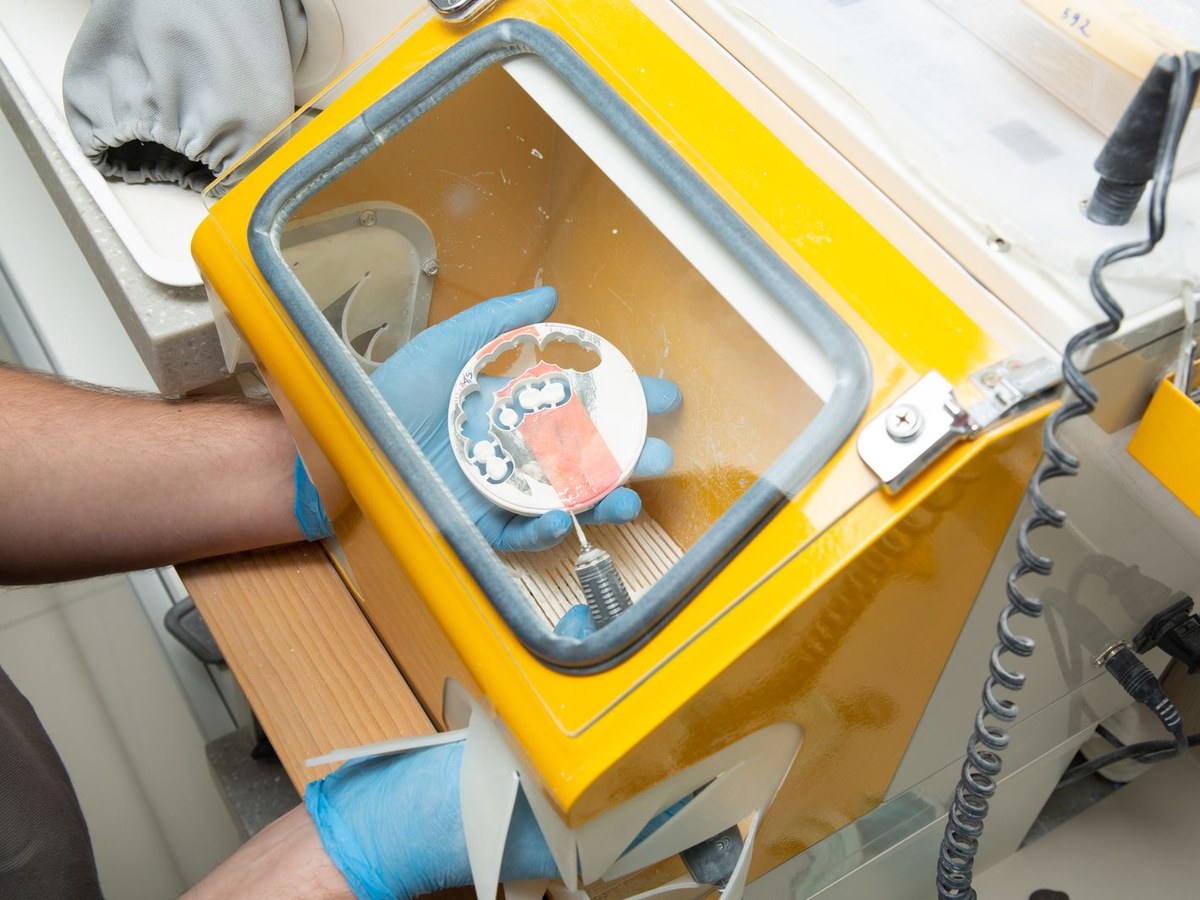
Check that whoever places your veneers is a licensed dentist.
The ADA warns that veneer services from unlicensed individuals may come with potential risks for infection and nerve damage, and that an unlicensed individual may unknowingly place veneers over unhealthy teeth.
That is a blunt warning from the profession’s own body, and it is worth more than any comparison of materials. Enamel removal is dental treatment, whoever is holding the handpiece.
Frequently Asked Questions
Are veneers permanent?
No. The ADA says a veneer may chip, crack, wear down or loosen over time and need re-bonding, repair or replacement. The treatment that places it is a different matter: that part cannot be undone, because enamel is removed.
Can you go back to regular teeth after veneers?
Not to your teeth as they were. Enamel was removed to fit the veneer and it does not grow back, so a prepared tooth needs a veneer or another restoration on it.
Are teeth rotting under veneers?
Not because of the veneer. The risk comes from placing one over existing decay or gum disease, which the ADA says may worsen those problems, so a dentist treats them first.
What are the downsides of veneers?
Enamel removal that cannot be reversed, and a restoration that may chip, wear or loosen and need repair or replacing. The ADA also flags grinding and a deep overbite as reasons veneers may not suit.
Porcelain or composite, which lasts longer?
The ADA describes porcelain as strong and long-lasting, while composite may need less enamel removed and is easier to repair but less resistant to staining and wear. Which fits you is an exam conversation.
Talk it through before you decide
The questions above are the right ones to bring to an appointment, and an exam is where they get answered for your teeth rather than in general. Dr. Keihani and the team can look at what you have and talk through what veneers would involve, including whether something else suits you better.
Call Oxnard Dentistry at (805) 604-9999 or use the contact page to book a consultation. You can also read more about veneers at the practice or our guide on what shapes a veneer treatment plan.