

One spot in your mouth is puffy and everything else feels fine. That combination is what makes a swollen gum around a single tooth so hard to read.
Swelling in one place usually has a local cause sitting right there. Some of those causes settle once the area is properly clean. Others get worse quietly, and a few need attention quickly.
This guide from Oxnard Dentistry covers what a swelling around one tooth usually means, why it turns up in one spot, what to do tonight, and the signs that call for urgent care.
Quick Summary
- A swelling in one spot usually points to something local: trapped debris, an infected gum pocket, a problem inside the tooth, or a wisdom tooth that has only partly come through.
- The American Dental Association says gum disease usually doesn’t hurt, so a swelling that feels like nothing still deserves a look.
- Gum disease starts with swollen, red and bleeding gums, according to the National Institute of Dental and Craniofacial Research, and untreated it can spread to the bone that supports the teeth.
- Daily brushing and flossing can turn early gum inflammation around. Tartar is a different matter: only a professional cleaning removes it.
- A fever alongside the swelling, swelling spreading across the face or jaw, or any trouble swallowing or breathing is urgent care, not a wait-and-see.
What a swelling around one tooth usually means
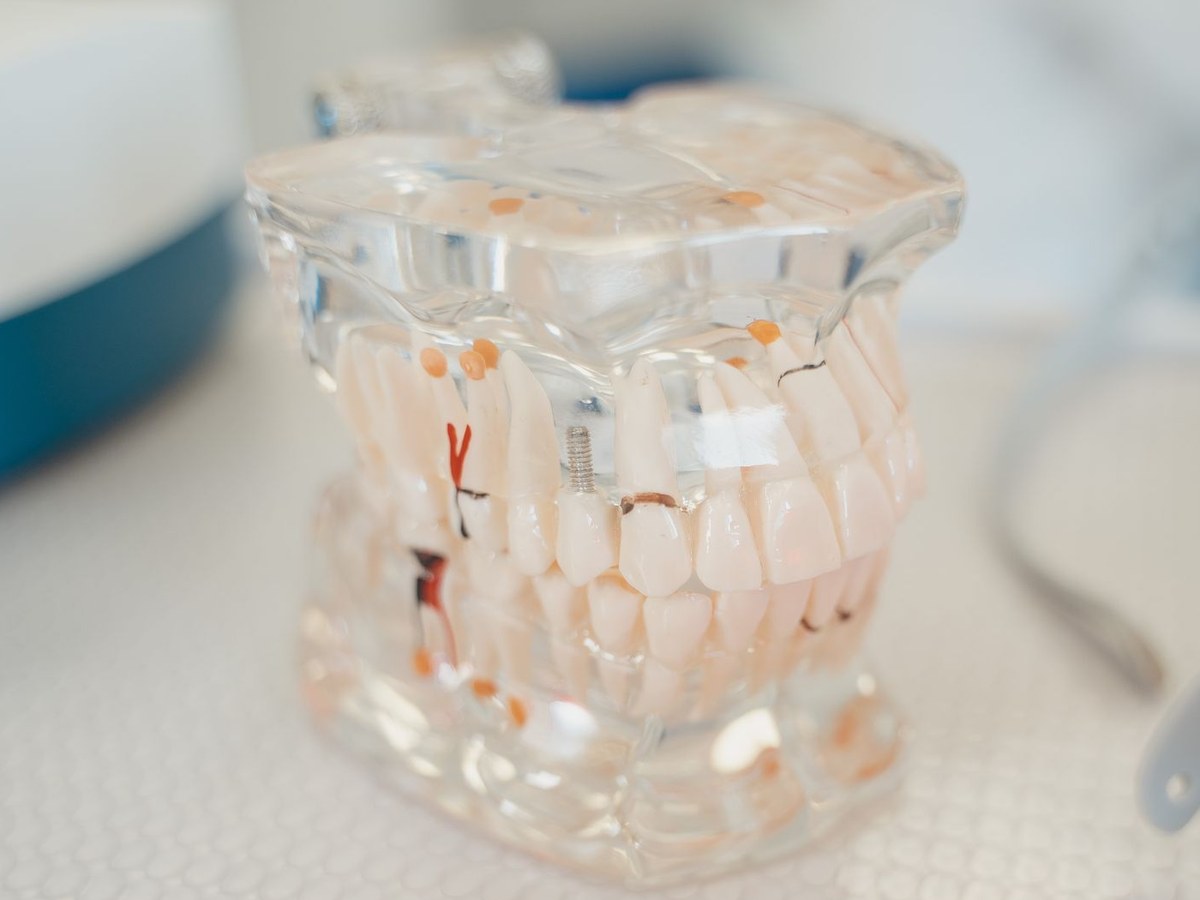
It usually means something local is irritating or infecting the tissue in that one place. Several causes look much the same from the outside.
- Trapped food or debris. A popcorn hull, a seed or a shred of floss can sit under the gum edge and inflame it.
- An infected gum pocket. The space between gum and tooth gets measured at a checkup, and a deeper pocket holds bacteria that a toothbrush can’t reach.
- A problem inside the tooth. Decay that reaches the nerve can show up as swelling in the gum beside it. Our guide on how to tell if you have a cavity covers the earlier signs.
- A wisdom tooth that is partly through. A flap of gum over a half-erupted tooth traps debris and gets sore.
- Irritation or injury. A hard-bristled brush, a rough filling edge or a knock can leave one area swollen for a few days.
Telling these apart by eye is the part nobody can do at home.
Why one tooth and not all of them
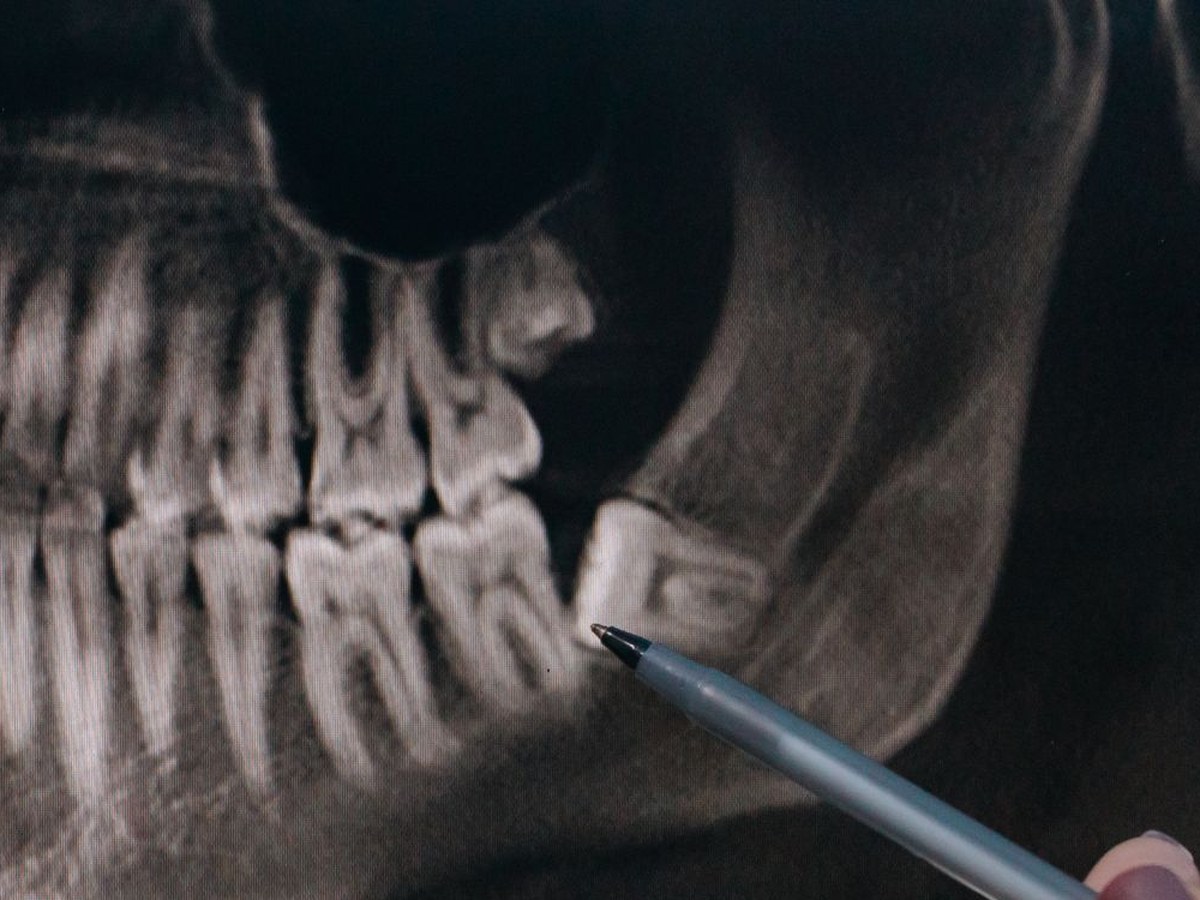
Because gum trouble doesn’t have to show up evenly. The National Institute of Dental and Craniofacial Research puts it plainly: gum disease can affect various areas of the mouth.
Plaque collects wherever cleaning is hardest, and that is rarely the whole mouth at once. The American Dental Association lists crooked teeth that are hard to keep clean among the risk factors, and that is often one tooth rather than twenty.
Depth is the other half of it. In a healthy mouth the pockets around the teeth usually measure between 1 and 3 millimeters, according to NIDCR, and deeper pockets can be a sign of periodontal disease. One deep pocket in one place explains a lot.
The same one-tooth pattern shows up with sudden tooth sensitivity.
When the swelling doesn’t hurt
A swelling that doesn’t hurt is not the same as a swelling that is fine. This is the part most pages skip.
The American Dental Association is direct about it: gum disease usually doesn’t hurt, so you may not know you have it. The same page states that it is possible to have gum disease and have no warning signs, and that regular checkups and periodontal examinations matter for exactly that reason.
Pain is a poor gauge of how far something has gone. Discomfort tells you to act. Quiet tells you nothing either way.
NIDCR says that left untreated, gum disease can spread to the bones supporting the teeth, making it painful to chew, and that in the worst cases teeth may become loose or need to be removed. Our guide on whether gum disease can be reversed goes through the stages.
What to do now, and what to leave alone
Keep the area clean and get it looked at. Treating it yourself is the part to avoid.
Keep cleaning it. NIDCR’s prevention guidance is brushing twice a day with a fluoride toothpaste and flossing regularly to clear plaque between the teeth. It says early gum disease from plaque buildup can often be reversed by daily brushing and flossing.
Gentle is fine. Skipping the sore spot is what lets plaque sit there.
Get it looked at. The ADA’s advice is to see your dentist if you suspect gum disease, because the sooner you treat it the better.
Leave the swelling alone. Don’t squeeze it or try to drain it. You can push an infection further into the tissue, and the cause stays where it is.
Don’t expect a rinse to settle it. Rinsing may make the area feel better for a while. Tartar is another story: NIDCR says only a professional cleaning by a dentist or dental hygienist can remove it.
If you are taking something over the counter for the discomfort, follow the label, or ask a pharmacist.
When to be seen quickly
Some signs move this from an appointment to urgent care.
Swelling that spreads across the face or jaw, a fever alongside it, or any trouble swallowing or breathing calls for urgent medical care rather than a wait for the next opening. Our guide on where to go for a dental emergency in Oxnard covers which problems belong at a dental office and which belong at an emergency room.
Short of that, the ADA’s warning signs are the ones to act on: red, swollen, tender gums, gums that have pulled away from the teeth, a persistent bad taste or bad breath, and teeth that feel loose. A swelling that is still there after a few days, or getting bigger, is worth a call.
Same-day appointments are often available for emergency dental care, so call the office first.
How a swollen gum gets treated
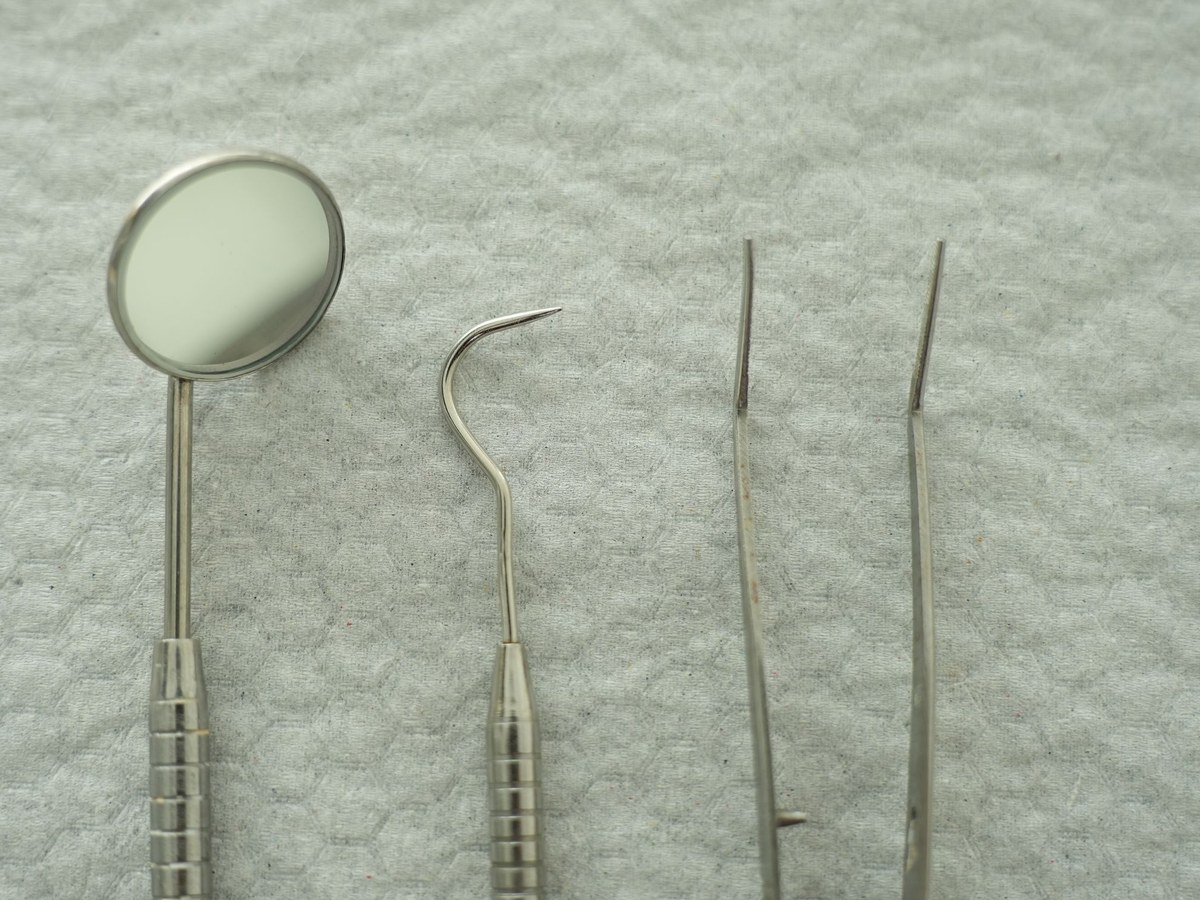
That depends on what is behind it. NIDCR frames the goal as controlling the infection, and says the number and types of treatments vary with how far the gum disease has gone.
The exam comes first. NIDCR describes the dentist checking the gums for inflammation, bleeding and recession, using a tiny ruler called a probe to measure the pockets around the teeth, and taking X-rays, which can show whether any bone has been lost.
At the early stage, the ADA says gingivitis is still reversible and can usually be cleared by a professional cleaning at the dental office followed by daily brushing and flossing. Further along, NIDCR describes scaling and root planing, a deep cleaning of the affected tooth, sometimes with a prescribed oral rinse, and surgical treatment in advanced cases. Our post on what a deep cleaning actually involves walks through that appointment.
Gum treatment at the practice sits under periodontics. NIDCR adds that any treatment depends on keeping up daily care at home, and that tobacco use can delay healing and make gum disease treatment less successful.
Frequently Asked Questions
How do you treat a swollen gum around one tooth?
Treatment follows the cause, so it starts with an exam rather than a product. NIDCR describes the goal as controlling the infection, with treatments ranging from a professional cleaning to scaling and root planing, or surgery in advanced cases.
Can a swollen gum heal by itself?
Sometimes the inflammation settles once the area is properly clean, and NIDCR says early gum disease from plaque can often be reversed by daily brushing and flossing. A swelling driven by an infected pocket or a problem inside the tooth is unlikely to clear on its own.
Why is my gum swollen around one tooth but it doesn’t hurt?
Gum disease usually doesn’t hurt, which is how the ADA explains why people miss it. The ADA also states that it is possible to have gum disease and have no warning signs, so the absence of pain isn’t a reason to leave a swelling alone.
What does stage 1 gum disease look like?
The early stage is gingivitis, and the ADA describes gums that may become red, swollen and bleed easily. At that point it is still reversible, usually with a professional cleaning followed by daily brushing and flossing.
Can I drain a swollen gum myself?
No. Piercing or squeezing it can push infection further into the tissue, and it does nothing about what caused it.
Get the swelling looked at
One puffy gum is a short appointment to sort out, and the exam is what identifies the cause. Dr. Keihani and the team can check the area and talk through what it needs.
Call Oxnard Dentistry at (805) 604-9999 or use the contact page to book an exam.